
Understanding Faucet Installation Needs
Faucets are essential fixtures in kitchens, bathrooms, laundry rooms, and utility areas. A properly installed faucet provides dependable water flow, supports daily cleaning tasks, and complements the room's overall design. Over time, older fixtures may develop leaks, corrosion, loose handles, or reduced performance. Replacing a worn faucet can improve convenience, but careful selection and installation are important for reliable operation.
Preparing for a New Faucet
Before arranging Faucet Installation Plumbing Services Riviera Beach FL, examine the existing sink and plumbing connections. Check the number of mounting holes, available space, supply-line condition, and clearance around handles. These details determine which faucet styles will fit without requiring unnecessary modifications. Measuring the sink and reviewing the manufacturer's specifications beforehand helps avoid compatibility issues and makes installation more straightforward.
Choosing the Right Faucet Style
Faucets come in many designs, including single-handle, two-handle, pull-down, pull-out, and wall-mounted models. A single-handle faucet allows convenient temperature adjustment, while separate handles can provide a traditional appearance. Pull-down models are popular for kitchen sinks because their spray heads can reach different areas of the basin. Consider how the fixture will be used, how much space is available, and whether its design complements existing finishes.
Checking Plumbing Connections
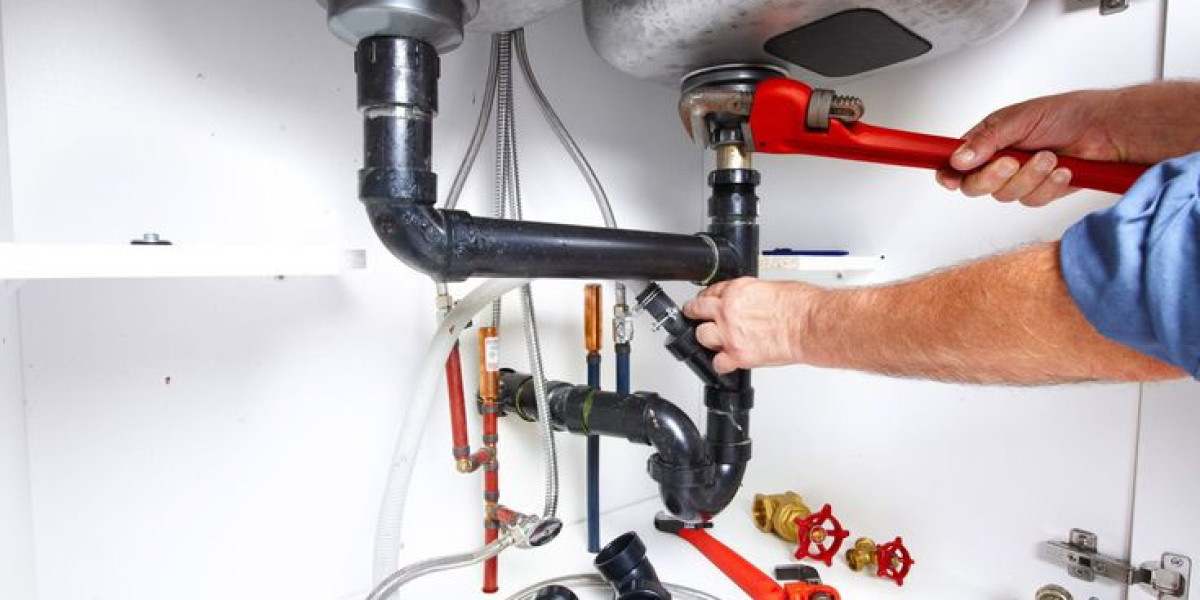
Reliable faucet performance depends on secure connections and compatible plumbing components. Supply lines, shutoff valves, mounting hardware, and connectors should be inspected before installation begins. Worn or corroded parts may need replacement to reduce the risk of future leaks. The installation instructions should be followed carefully, and fittings should not be overtightened because excessive force can damage threads, seals, or other components.
Managing Water Efficiency
A well-chosen faucet can help reduce unnecessary water consumption without making everyday tasks inconvenient. Look for models with suitable flow rates and features such as aerators, which mix air into the water stream. Some faucets also include flow-control options that help limit water use during routine activities. Choose products that meet your household's needs and comply with applicable plumbing requirements.
Preventing Leaks During Installation
Even a small leak can damage cabinets, countertops, flooring, or nearby building materials if it continues unnoticed. Before removing an old fixture, shut off the water supply and relieve pressure by opening the faucet. After installation, restore the supply gradually and inspect every connection for drips. Run both hot and cold water, check the drain area for signs of moisture, and follow any additional testing steps recommended by the manufacturer.
Improving Kitchen and Bathroom Functionality
The right faucet should match the tasks performed in its location. Kitchen fixtures may benefit from a flexible spray head and sufficient height for filling large pots, while bathroom faucets should fit the basin and minimize splashing. In laundry or utility spaces, durability and ease of cleaning may be more important than decorative features. Considering these practical details helps create a more comfortable and efficient space.
Knowing When to Seek Professional Help
Some faucet replacements are relatively simple, but difficult connections, inaccessible shutoff valves, damaged pipes, and unusual mounting arrangements can complicate the job. Homeowners considering Residential Handyman Construction Services Riviera Beach FL should confirm whether the provider has the qualifications and plumbing experience required for the work. Professional assistance can be especially useful when installation involves replacing valves, modifying connections, or repairing damage discovered beneath the sink.
Maintaining Your New Faucet
Routine maintenance helps keep a faucet operating smoothly after installation. Clean the exterior with a soft cloth and a product suitable for its finish, avoiding abrasive cleaners that can cause scratches. If water flow becomes uneven, mineral deposits may have accumulated in the aerator or spray head. Clean removable components according to the manufacturer's instructions and check the base and supply connections periodically for signs of moisture.
Recognizing Signs of Faucet Problems
A dripping spout, stiff handle, unusual noise, reduced water flow, or visible corrosion may indicate that a faucet needs attention. Some problems result from worn cartridges, damaged seals, mineral buildup, or supply-line issues. Addressing these signs early can prevent wasted water and help avoid additional damage. If a leak persists after basic troubleshooting, the fixture or its plumbing connections may require professional inspection.
Enjoying Reliable Faucet Performance
A successful faucet installation combines compatible fixtures, secure connections, careful testing, and appropriate maintenance. Taking time to compare designs, inspect plumbing components, and follow installation requirements can reduce common problems and improve daily convenience. Whether updating a kitchen sink or refreshing a bathroom, a thoughtfully selected faucet can provide dependable performance while contributing to a clean, functional, and attractive home.