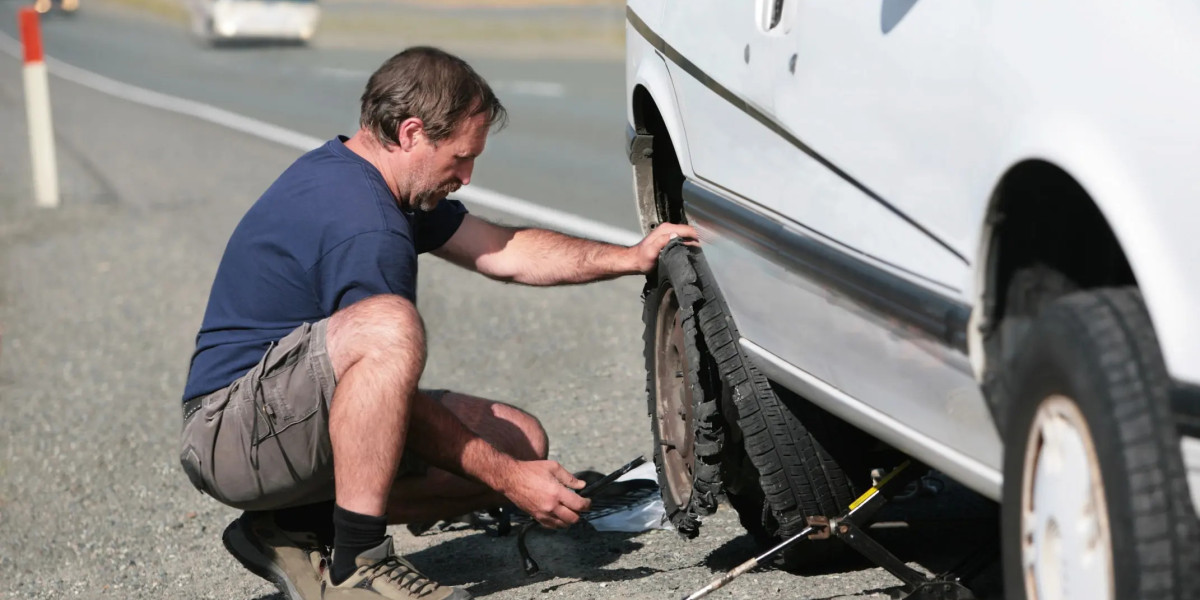

A sudden tire blowout can frighten even an experienced driver. The loud noise, unexpected vibration, and sudden change in steering can make it difficult to know what to do next. Staying calm and responding carefully can help you maintain control and reduce the risk of a collision. When a damaged tire leaves your vehicle unable to continue safely, Emergency Towing Assistance Columbus OH can help you arrange transportation from the breakdown location. Knowing how to respond before a blowout happens can make a difficult roadside situation easier to manage.
Recognizing a Tire Blowout While Driving
A tire blowout happens when a tire suddenly loses air, often because of damage, excessive heat, worn tread, or an impact with a road hazard. Drivers may hear a loud pop followed by flapping sounds as the damaged tire rotates. The vehicle may also shake, pull to one side, or become harder to control.
A front tire blowout can affect steering, while a rear tire blowout may cause the back of the vehicle to sway. Either situation requires a careful response. Avoid making sudden movements because abrupt braking or sharp steering can increase the chance of losing control.
Columbus drivers may experience tire trouble on Interstate 70, Interstate 71, Interstate 270, and busy local roads. Traffic speed and road conditions can make these incidents especially stressful.
If you suspect a blowout, focus on maintaining control rather than trying to stop immediately. Once you reach a safe location, assess the situation and determine whether roadside assistance or towing is necessary.
How to Control Your Vehicle After a Blowout
Your response during the first few seconds can make a meaningful difference. Although every situation is different, smooth and predictable movements are generally safer than sudden reactions.
Keep a Firm Grip on the Steering Wheel
Hold the steering wheel firmly with both hands if possible. A blowout can pull the vehicle toward one side, so steady steering helps you maintain your direction. Look ahead and focus on keeping the vehicle within your lane.
Avoid Sudden Braking
Do not slam on the brakes. Sudden braking can destabilize the vehicle, especially if the damaged tire affects traction. Instead, ease off the accelerator and allow the vehicle to slow gradually.
Move Toward a Safe Stopping Area
When the vehicle becomes manageable, signal and move toward the shoulder or another safe stopping location. Avoid stopping in a travel lane if you can safely reach a more suitable area. Once stopped, activate your hazard lights.
If the vehicle is difficult to control, prioritize staying in control rather than making an abrupt move across traffic. Never put yourself or other road users at risk to reach the shoulder quickly.
Staying Safe After Pulling Over in Columbus
After stopping, make safety your main concern. A disabled vehicle near moving traffic can create additional hazards, particularly on highways and narrow shoulders.
Turn on your hazard lights and check your surroundings before opening a door. If you are on a busy highway, do not stand beside the vehicle to inspect the tire unless the location is clearly safe. Never walk into traffic to place warning devices or retrieve an object.
Whether you should remain inside the vehicle or move away from it depends on the surroundings and the safest available escape route. Follow instructions from emergency responders when they arrive. If you must leave the vehicle, move away from traffic and toward a protected area whenever possible.
Drivers should also avoid attempting a tire change on a narrow shoulder, near fast moving vehicles, or on uneven ground. A roadside emergency is not the time to take unnecessary risks.
If your vehicle cannot be moved safely, 24/7 Emergency Towing Columbus OH can help you arrange transportation to a tire shop or another appropriate destination.
Why a Blown Tire May Require Emergency Towing
Not every flat tire requires a tow. Some drivers can safely install a suitable spare in a secure parking area. However, towing may be the better choice when the tire is completely destroyed, the wheel is damaged, or the vehicle cannot be moved safely.
Driving on a flat tire can damage the wheel and other vehicle components. A damaged wheel may also affect handling and make the vehicle unsafe to operate. In some cases, more than one tire may be affected by a road hazard.
Consider requesting emergency towing if:
The tire has separated from the wheel or suffered major sidewall damage.
The wheel appears bent, cracked, or damaged.
Your vehicle is stranded in a hazardous location.
You do not have a usable spare or the equipment needed for a safe change.
You suspect additional damage after striking an object.
When contacting a towing provider, share your exact location, direction of travel, nearest exit, vehicle type, and description of the damage. Clear details can help the dispatcher understand the situation and arrange appropriate assistance.
Reducing the Risk of Another Tire Emergency
Although blowouts cannot always be prevented, routine maintenance can reduce the risk. Inspect your tires regularly and look for cracks, bulges, uneven tread wear, or objects embedded in the rubber. Tires showing signs of serious damage should be checked by a qualified tire technician.
Maintain the recommended tire pressure listed on the driver's door label. Underinflation can cause excessive heat, while overinflation can affect the tire's contact with the road. Check pressure when the tires are cold, especially before long journeys.
Also, avoid overloading your vehicle. Excess weight places additional stress on the tires, especially during highway travel. Replace tires when their tread becomes worn and follow the vehicle manufacturer's recommendations for tire care.
Columbus drivers should pay attention to changing weather, construction zones, potholes, and road debris. Slow down when conditions require it and leave enough distance between your vehicle and traffic ahead.
Regular inspections and prompt attention to warning signs can help reduce the chances of another unexpected breakdown.
Frequently Asked Questions
What is the first thing to do after a tire blowout?
Hold the steering wheel firmly, ease off the accelerator, avoid sudden braking, and guide the vehicle toward a safe stopping location when possible.
Should I drive after a tire blowout?
Do not continue driving on a destroyed or flat tire. Stop safely and arrange assistance if the vehicle cannot be operated without risking further damage.
Can a towing service transport a vehicle with a blown tire?
Yes. A suitable towing service can transport a disabled vehicle to a tire shop or another safe destination, depending on the vehicle and damage.
When should I request emergency towing in Columbus, OH?
Request towing when the tire or wheel is badly damaged, the vehicle is unsafe to drive, or the breakdown location creates a safety concern.
How can I help the towing dispatcher find me?
Provide your road name, direction of travel, nearest exit, nearby landmark, and vehicle description. Share your location using your phone when possible.
Conclusion
A sudden tire blowout can turn an ordinary drive into a dangerous situation, but calm decisions can help protect you and your passengers. Keep control of the vehicle, stop in a safe location, and avoid driving on a damaged tire. Routine tire inspections and correct inflation can also lower the risk of future problems. If your vehicle becomes stranded on a Columbus road or highway, 24/7 Emergency Towing Columbus OH can help you arrange safe transportation. When you need assistance after a tire blowout, Get Vehicle Recovery Help From Burm's Towing and provide clear details about your location and vehicle condition.