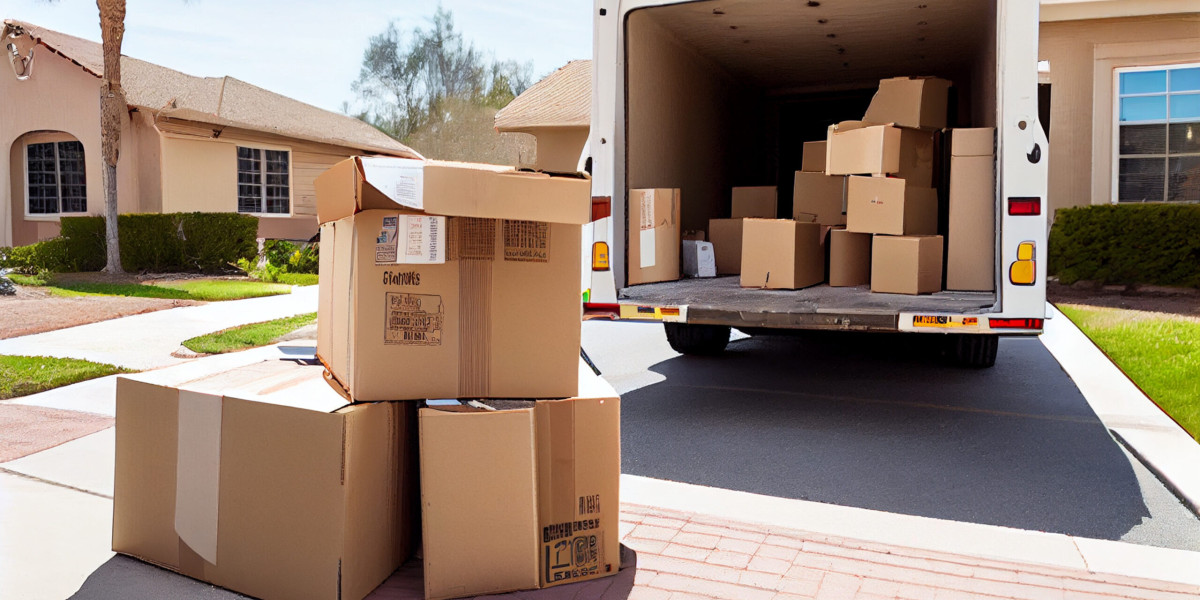

Understanding the Needs of a Condo Move
Moving from a condominium requires careful planning, especially when shared entrances, elevators, parking areas, and building regulations affect the process. Residents may need to coordinate schedules with property management and arrange access for moving vehicles. Preparing early helps prevent delays and keeps the move organized. Whether relocating to another condo, an apartment, or a house, having a clear plan makes the transition easier.
Preparing for Your Upcoming Relocation
Creating a moving checklist is one of the most useful ways to manage the details of a relocation. Residential Condo Moving Services Prattville AL can help residents coordinate transportation, organize belongings, and manage the practical challenges of moving from a shared residential building. Start by confirming your moving date, reviewing building policies, and deciding which items should be packed, donated, sold, or discarded before moving day.
Reviewing Condo Building Requirements
Many condominium communities have specific procedures for residents moving in or out. Some require advance reservations for elevators, designated loading zones, protective coverings, or approved moving hours. Contact the property manager well before the scheduled date to understand these requirements. Confirming access arrangements can prevent unnecessary waiting and reduce the risk of conflicts with other residents who may be using shared facilities.
Creating a Practical Packing Schedule
Packing everything at the last minute can make moving stressful and increase the likelihood of misplaced belongings. Begin with items that are rarely used, such as seasonal decorations, extra bedding, books, and specialty kitchen equipment. Leave daily essentials until closer to moving day. Label each box with its destination room and a brief description of its contents so unloading and unpacking become more manageable.
Selecting the Right Packing Materials
Good packing materials help protect household belongings during handling and transportation. Use sturdy boxes, packing paper, bubble wrap, and suitable protective covers for fragile or valuable items. Avoid making boxes so heavy that they become difficult to lift safely. Reinforce the bottoms of boxes containing heavier objects and use separate containers for breakable kitchenware, electronics, and decorative pieces. Keep essential documents and valuables secure and accessible.
Organizing Professional Moving Assistance
Moving support can reduce the physical demands of relocating and help residents manage a busy schedule. Moving and Packing Services may include packing household items, protecting furniture, loading boxes, transporting belongings, and unloading them at the destination. Before choosing a provider, discuss the size of your condo, the number of rooms, access restrictions, and any unusually large or fragile items that need additional care.
Protecting Furniture and Fragile Belongings
Furniture can become scratched or damaged when moved through narrow hallways, doorways, and elevator spaces. Measure large items and access points in advance to identify possible difficulties. Remove detachable furniture parts when appropriate, secure loose components, and wrap surfaces with protective materials. Place fragile items in clearly marked boxes and make sure they are cushioned properly. Careful handling helps reduce damage during both loading and unloading.
Managing Moving Day Efficiently
A well-organized moving day begins with a final walkthrough and a clear understanding of the schedule. Keep pathways free of clutter, reserve the agreed loading area, and separate items that should not be loaded onto the moving truck. Maintain a small essentials bag containing medication, chargers, important paperwork, toiletries, and a change of clothes. Staying available to answer questions can help the moving team work more efficiently.
Preparing Your New Living Space
Before unloading everything, check that the new property is clean, accessible, and ready for furniture. If possible, measure key rooms and plan where large items will go. Identify boxes for each room and direct them to their correct locations as they arrive. This reduces unnecessary lifting and makes unpacking easier. Check utilities, lighting, door locks, and essential appliances before settling into the new space.
Making Unpacking Easier
Unpacking is more manageable when completed in stages rather than all at once. Start with bedding, bathroom supplies, basic kitchen equipment, and everyday clothing. Assemble essential furniture before opening less urgent boxes. Break down empty cartons as you go to keep rooms clear and reduce tripping hazards. Recycle or reuse suitable packing materials once you have confirmed that all belongings arrived safely.
Enjoying a More Comfortable Transition
A successful condo move depends on preparation, communication, and careful handling of belongings. Confirming building rules, choosing appropriate packing materials, and arranging reliable transportation can prevent common problems. With a realistic schedule and an organized approach, residents can spend less time dealing with moving-day complications and more time making their new home comfortable. Planning each stage in advance helps create a smoother and more positive relocation experience.


