
Understanding the Importance of Basement Protection
A basement can provide valuable storage space, a recreation area, or additional living space, but moisture can quickly limit its usefulness. Water entering through foundation walls, floor cracks, or poorly managed drainage can damage finishes, encourage mold growth, and affect indoor comfort. Understanding the causes of basement moisture helps property owners choose suitable solutions and protect their buildings from problems that may become more expensive over time.
Identifying Common Sources of Basement Moisture
When considering Basement Waterproofing Services in Bronx NY, property owners should first understand where water is entering and why it is accumulating. Heavy rainfall, poor exterior drainage, clogged gutters, foundation cracks, and groundwater pressure can all contribute to basement leaks. Sometimes, moisture appears as damp patches or peeling paint rather than obvious standing water. Identifying these warning signs early makes it easier to investigate the underlying cause and plan appropriate repairs.
Recognizing Early Warning Signs
Basement water problems often develop gradually. Musty odors, discolored walls, bubbling paint, damp carpeting, and white mineral deposits on masonry can indicate moisture movement through building materials. Puddles appearing after rain or recurring wet spots near the foundation may suggest drainage issues. Property owners should monitor these changes rather than covering them with fresh paint or new flooring. Cosmetic treatments alone rarely solve a moisture problem when the original source remains untreated.
Evaluating the Foundation and Drainage System
A reliable waterproofing plan begins with a careful assessment of the foundation and the surrounding property. Professionals may inspect visible cracks, wall joints, floor connections, grading, downspouts, and existing drainage systems. Soil conditions and the direction of surface runoff can influence where water collects. A detailed inspection helps distinguish between water entering from outside, plumbing leaks, and condensation caused by humid air, allowing the recommended solution to address the actual problem.
Choosing the Right Waterproofing Approach
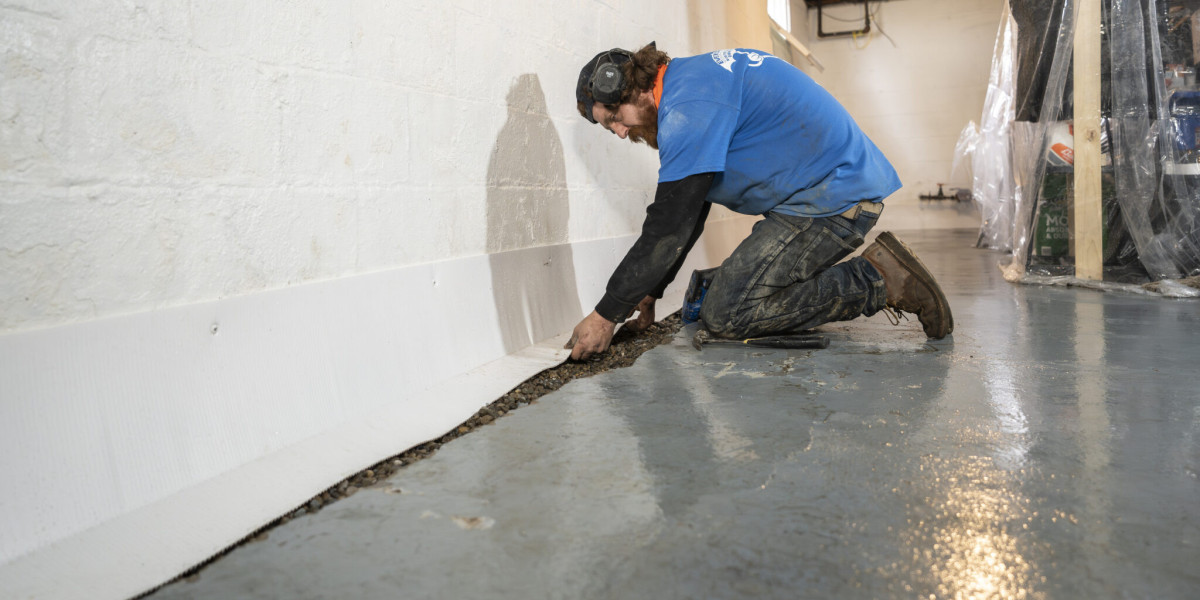
Different moisture problems require different treatment methods. Exterior waterproofing may involve applying protective coatings or membranes to foundation walls and improving drainage around the building. Interior approaches can include drainage channels, sump pumps, and suitable wall treatments designed to manage incoming water. The best option depends on the property's construction, water entry points, site conditions, and budget. A professional assessment helps determine whether one method or a combination of measures is appropriate.
Improving Exterior Water Management
Keeping rainwater away from the foundation is an important part of basement protection. Gutters should remain clear, and downspouts should direct water away from the building through an appropriate discharge arrangement. The ground near the foundation should generally slope away from the structure where site conditions allow. Damaged paving, blocked drains, and low areas that collect water may also need attention. Improving these conditions can reduce the amount of water reaching vulnerable foundation areas.
Understanding the Role of Professional Contractors
An experienced General Contractor Bronx property owners hire for basement improvement work can help coordinate related repairs and construction tasks. Depending on the project's scope, this may involve foundation repair, drainage improvements, wall restoration, or replacement of moisture-damaged finishes. Contractors should explain the proposed work, identify any necessary permits, and provide a clear estimate. For significant structural cracks or persistent water intrusion, specialists may also be needed to evaluate specific technical concerns.
Preventing Mold and Indoor Air Quality Problems
Excess moisture can create conditions that support mold growth, particularly when damp materials remain wet for extended periods. Controlling the source of water is therefore essential before repairing walls or installing new flooring. Proper ventilation and humidity control can help manage condensation, while damaged porous materials may require careful removal and replacement. Large areas of mold or contamination caused by sewage or floodwater should be assessed by qualified remediation professionals.
Protecting Finished Basement Spaces
Homeowners who use their basements as offices, bedrooms, entertainment rooms, or storage areas should choose materials suited to the environment. Moisture-resistant finishes may be helpful, but they should not replace effective waterproofing. Furniture and stored belongings should be kept away from damp walls, and valuable items should be elevated where flooding is a concern. Before investing in a finished basement, confirm that existing water problems have been addressed and that the space meets applicable safety requirements.
Planning Costs and Long-Term Maintenance
Waterproofing costs depend on the severity of the problem, foundation accessibility, drainage requirements, repair materials, and the amount of labor involved. Property owners should request an itemized estimate explaining the proposed methods, preparation, materials, and warranty terms. After repairs, regular gutter cleaning, drainage checks, and inspections following heavy rainfall can help identify new concerns. Keeping records of previous leaks and repairs also makes future maintenance easier to manage.
Maintaining a Dry and Functional Basement
Basement waterproofing is most effective when it addresses the source of moisture rather than only the visible damage. Careful inspection, appropriate drainage, suitable foundation protection, and ongoing maintenance can help preserve the property's structure and usability. By responding to early warning signs and choosing solutions suited to the building, property owners can reduce the risk of recurring leaks and maintain a cleaner, more comfortable basement for years to come.


