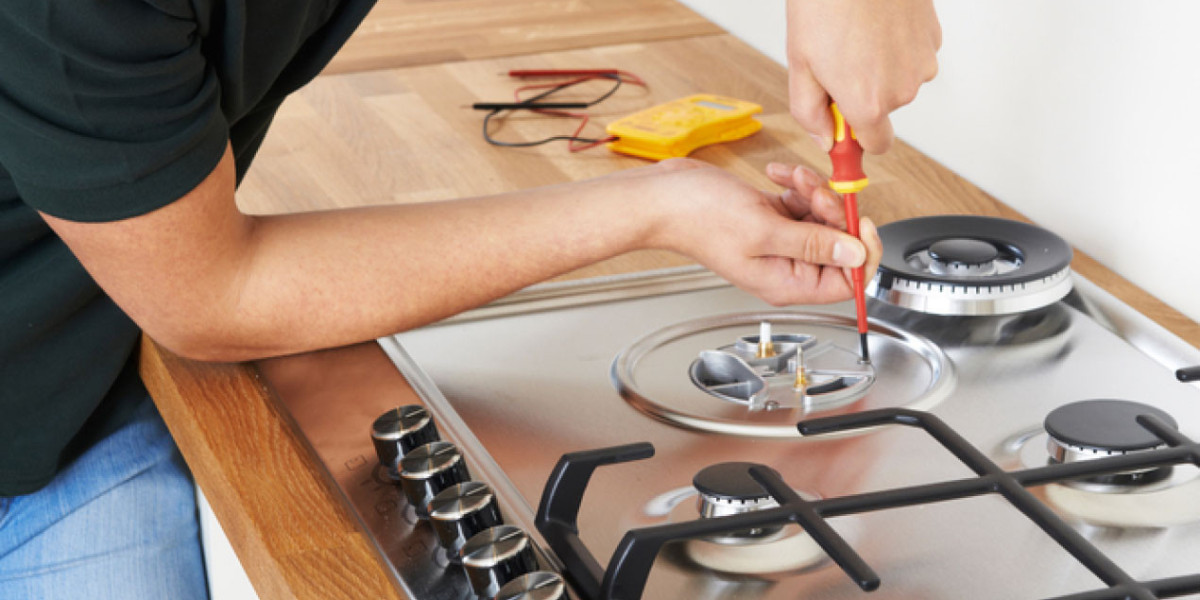

Understanding the Importance of a Reliable Stove
A stove is one of the most frequently used appliances in a household, making its performance important for everyday cooking and kitchen convenience. Whether a home uses a gas range, an electric cooktop, or a combination stove and oven, regular care helps maintain reliable operation. Recognizing changes in heating performance, unusual sounds, or control problems can help homeowners address concerns before they interrupt daily routines.
Recognizing Common Stove Performance Issues
Homeowners searching for Residential Stove System Services Cooper City FL may experience burners that fail to heat, uneven cooking temperatures, faulty ignition, or controls that respond inconsistently. These problems can result from worn components, electrical faults, blocked burner openings, or issues with the appliance's control system. Identifying the symptoms is a useful first step, but the exact cause may require professional testing. Avoid using a stove that appears damaged or operates unpredictably.
Understanding Gas Stove Problems
Gas stoves rely on a controlled fuel supply and a reliable ignition system to operate safely. A burner that repeatedly clicks, fails to ignite, or produces an uneven flame may need inspection. Food residue can sometimes obstruct burner openings, but internal gas components should be handled by a qualified professional. If you smell gas, do not attempt to light the stove or operate electrical switches. Leave the area and contact your gas provider or emergency services from a safe location.
Maintaining Electric Stove Components
Electric stoves use heating elements, wiring, switches, and electronic controls to produce and regulate heat. A burner that remains cold, heats unevenly, or fails to respond to adjustments may indicate a component problem. Visible damage to an element or a damaged power cord also deserves immediate attention. Disconnect power only if it is safe to do so, and avoid opening the appliance without appropriate training. Professional diagnosis can help identify the fault and determine whether repair or replacement is appropriate.
Choosing an Experienced Repair Professional
A dependable Appliance Repair Company can evaluate stove problems, test relevant components, and explain the available repair options. When selecting a provider, ask about experience with your stove's brand and model, diagnostic fees, parts availability, and warranty coverage. A clear estimate should describe the work required and any expected additional costs. Choosing a qualified technician helps reduce the risk of incorrect repairs and supports safer appliance operation after the service is complete.
Keeping Stove Burners Clean
Routine cleaning can help maintain consistent heating and prevent food residue from interfering with stove operation. Allow the appliance to cool completely before cleaning, and follow the manufacturer's instructions for removing and washing approved burner components. Use suitable cleaning products and avoid forcing tools into openings or damaging ignition parts. Ensure all removable pieces are fully dry and correctly positioned before using the stove again. Persistent ignition or heating problems should be evaluated rather than repeatedly treated as a cleaning issue.
Checking Temperature and Cooking Performance
Uneven cooking can sometimes result from cookware, incorrect settings, or a problem with the appliance's temperature regulation. On a gas stove, flame behavior may provide useful clues, while an electric model may show inconsistent heating or delayed responses. For ovens, inaccurate temperatures can affect baking and roasting results. Homeowners should consult the user manual for basic checks and avoid adjusting internal components without proper knowledge. A technician can test temperature controls and heating systems when performance remains inconsistent.
Following Essential Kitchen Safety Practices
Safe stove use includes keeping flammable materials away from burners, supervising cooking, and ensuring children cannot easily reach hot surfaces or controls. Grease and food spills should be cleaned when the appliance has cooled. Never leave cooking unattended for extended periods, particularly when using high heat or frying with oil. Smoke alarms should be maintained according to their instructions. If a stove sparks, produces unusual burning odors, or shows signs of electrical damage, stop using it until the problem has been assessed.
Deciding Between Repair and Replacement
The best option depends on the stove's age, condition, repair cost, parts availability, and expected future performance. Replacing a relatively inexpensive faulty component may be sensible when the appliance is otherwise dependable. However, recurring breakdowns, major control failures, or extensive damage can make replacement more practical. Ask the technician to explain the diagnosis and compare the likely repair expense with the cost of a suitable new model before making a decision.
Preparing for a Service Appointment
Before scheduling a repair, record the appliance's brand, model number, and the symptoms you have noticed. Mention when the problem started and whether it occurs continuously or only under certain conditions. Clear the surrounding area to provide safe access, and secure pets or children away from the work zone. Do not continue operating an appliance that presents a suspected gas or electrical hazard simply to demonstrate the problem. Accurate information helps the technician prepare for the visit.
Supporting Long-Term Stove Performance
A reliable stove depends on sensible daily use, appropriate cleaning, and timely attention to developing faults. Following manufacturer guidelines and arranging professional repairs when necessary can help preserve performance while reducing avoidable safety risks. Homeowners who recognize early warning signs are better prepared to make informed maintenance decisions. With proper care and qualified assistance, a household stove can continue supporting everyday meals and kitchen routines with greater reliability.


