
Understanding the Importance of Unpacking
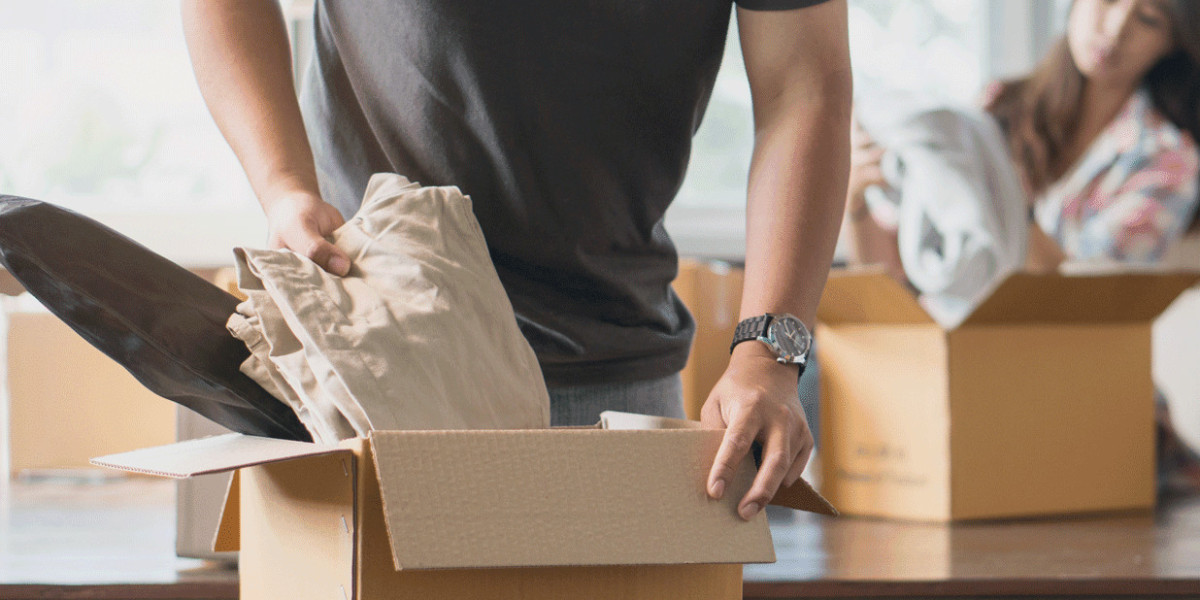
Moving into a new home is an exciting milestone, but unpacking can quickly become overwhelming after a long moving day. Boxes may fill hallways, essential items can be difficult to locate, and arranging furniture takes time and effort. A clear unpacking plan helps make the transition more manageable. By organizing belongings room by room and prioritizing daily necessities, homeowners can create a comfortable living environment without feeling pressured to finish everything immediately.
Planning Your First Days in the New Home
When arranging Unpacking Services Raleigh NC, consider which rooms and belongings will be needed first. Bedrooms, bathrooms, and the kitchen usually deserve early attention because they support everyday routines. Prepare a separate box containing toiletries, medications, chargers, basic cleaning supplies, important documents, and a few changes of clothing. Keeping these essentials accessible prevents unnecessary searching through multiple cartons and helps everyone settle in while the remaining boxes are handled gradually.
Organizing Boxes Before Opening Them
A successful unpacking process begins with knowing what each box contains and where it belongs. Labels indicating the room and general contents make it easier to direct cartons to the correct locations. Color-coded labels or numbered inventory lists can provide additional organization for larger moves. Before opening a box, place it in the room where its contents will be used. This simple habit reduces repeated lifting and prevents belongings from spreading throughout the home.
Setting Up the Kitchen First
The kitchen is often one of the most useful areas to organize early. Start with everyday plates, cups, cutlery, cookware, and food-storage containers before unpacking occasional-use items. Check cabinet space and arrange frequently used supplies where they are easy to reach. Wipe shelves and drawers before placing items inside, especially if the property has been vacant. Organizing the kitchen around daily cooking habits helps establish routines and reduces the temptation to rely on takeout for every meal.
Getting Bedrooms Ready for Rest
After a demanding move, a comfortable place to sleep can make a major difference. Assemble beds safely, prepare clean sheets, and unpack pillows, blankets, and essential clothing. Keep walkways clear and place bedside necessities within convenient reach. If children are moving into the home, arranging their sleeping areas and familiar belongings can help them adjust to the new surroundings. Completing bedrooms early allows the household to rest properly while other rooms are organized over the following days.
Working With Professional Moving Specialists
A reliable Moving and Packing Company may offer unpacking assistance alongside transportation and packing services. Depending on the provider, this may include opening cartons, placing belongings on designated surfaces, arranging basic household items, and removing packing materials. Before booking, clarify which tasks are included, whether furniture assembly is available, and how fragile or valuable belongings will be handled. Discussing expectations in advance helps ensure the service matches the household's needs and avoids confusion on moving day.
Protecting Fragile and Valuable Belongings
Glassware, electronics, artwork, mirrors, and decorative pieces require careful handling during unpacking. Open these boxes on a stable surface and remove protective materials slowly to avoid accidental damage. Inspect items as they are unpacked, particularly if the cartons were transported over a long distance. Keep small components, screws, and cables together with their corresponding items. For valuable possessions, photographs and an inventory can help document their condition and make it easier to identify anything that may be missing.
Managing Packing Materials and Household Waste
Moving can generate a surprising amount of cardboard, paper, plastic wrap, and protective foam. Instead of allowing these materials to accumulate, establish a designated collection area and break down empty cartons as they become available. Reusable boxes can be stored for future needs, while suitable materials may be recycled according to local guidelines. Keep sharp packing tools and loose plastic away from children and pets. Removing waste regularly helps maintain clear walkways and makes the new home feel organized sooner.
Arranging Furniture and Creating Functional Spaces
Unpacking is also an opportunity to think carefully about how each room should function. Place larger furniture before arranging smaller accessories, and consider walking paths, natural light, electrical outlets, and storage needs. Avoid blocking exits, heating equipment, or ventilation openings. If a furniture arrangement feels inconvenient, make adjustments before unpacking every decorative item. Creating practical layouts early can reduce the amount of rearranging required later and help the household use its available space more effectively.
Settling Into Your New Space With Confidence
A well-organized unpacking process turns a house full of boxes into a functional living space. Prioritizing essentials, protecting fragile belongings, arranging rooms thoughtfully, and removing packing waste can make the transition easier for everyone. Professional assistance may also save time when schedules are busy or the move involves many possessions. With realistic expectations and a clear plan, homeowners can settle in comfortably and begin enjoying their new surroundings without unnecessary stress.


