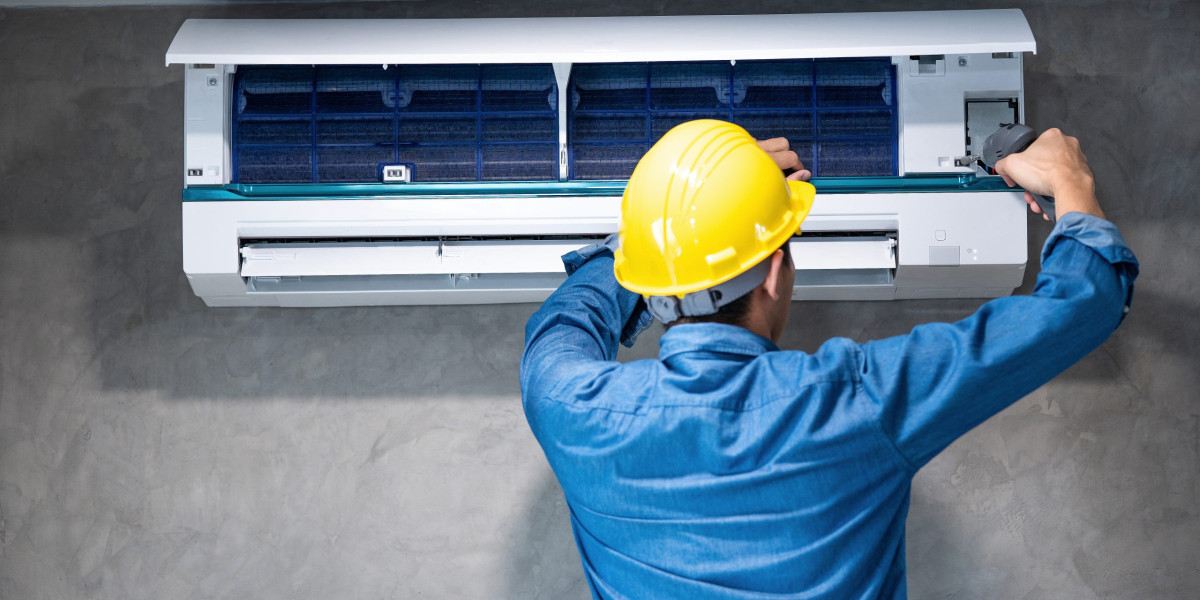

Why HVAC Inspections Matter for Homeowners
A home's heating, ventilation, and air conditioning system plays an important role in maintaining comfortable indoor temperatures and supporting air circulation. Over time, components can wear out, airflow may become restricted, and small mechanical problems can affect performance. Regular inspections help identify visible concerns before they develop into more expensive repairs. They can also give homeowners a clearer understanding of system condition, maintenance needs, and potential improvements for long-term reliability.
Understanding What an HVAC Inspection Covers
When arranging HVAC inspection services Gulf Breeze FL, homeowners should understand which components will be examined. An inspection may include the thermostat, air filters, visible ductwork, condensate drainage, electrical connections, and accessible heating or cooling equipment. The exact scope depends on the system type, accessibility, and service provider. An inspection can reveal signs of wear, leaks, airflow restrictions, or other concerns, although it does not guarantee that every hidden or intermittent defect will be detected.
Recognizing Signs of HVAC Problems
Unusual noises, inconsistent temperatures, weak airflow, and unexpected increases in energy use may indicate that an HVAC system needs attention. Homeowners might also notice frequent cycling, unusual odors, water near indoor equipment, or rooms that remain uncomfortable despite thermostat adjustments. These symptoms can have several causes, ranging from a dirty filter to a mechanical fault. Recording when the symptoms occur can help an HVAC technician investigate the problem more efficiently.
Checking Airflow and Ventilation
Proper airflow helps distribute conditioned air throughout a home. Blocked supply vents, dirty filters, restricted return-air openings, or ductwork problems can affect comfort and system performance. During an inspection, accessible ventilation components may be checked for visible obstructions, damage, or disconnections. Homeowners can support these efforts by keeping vents clear of furniture and following the manufacturer's filter replacement recommendations. Persistent airflow problems may require additional testing by a qualified HVAC professional.
Evaluating Heating and Cooling Equipment
Heating and cooling systems contain several components that must work together to regulate indoor temperatures. Depending on the equipment, an inspection may involve checking visible wiring, refrigerant lines, blower components, burners, or safety controls. Some tests require specialized tools and technical training. Homeowners should avoid opening sealed components or attempting repairs themselves. If an inspection identifies a suspected refrigerant leak, combustion concern, or electrical problem, qualified service personnel should determine the appropriate next steps.
Understanding the Value of a Property Inspection
A broader Property inspection Gulf Breeze FL homeowners arrange may examine the overall condition of a house rather than focusing only on heating and cooling equipment. Depending on the inspection agreement, this can include visible roofing, foundations, plumbing fixtures, electrical components, insulation, windows, and interior surfaces. A general property inspection and a specialized HVAC evaluation serve different purposes. Buyers and owners should confirm the scope of each service so important systems receive the appropriate level of attention.
Considering Gulf Coast Weather Conditions
Homes in coastal Florida can experience high humidity, heavy rainfall, and extended periods of warm weather. These conditions can place additional demands on cooling equipment and make moisture management particularly important. Inspectors may look for visible condensation issues, drainage concerns, corrosion, or signs of moisture around accessible HVAC components. Homeowners should also monitor indoor humidity and ensure that condensate drains remain functional. Persistent dampness or musty odors may require further evaluation to identify the source.
Preparing for an HVAC Inspection
A little preparation can help make an inspection more productive. Clear access to indoor equipment, outdoor units, thermostats, and accessible attic or utility areas. Provide any available maintenance records and explain unusual sounds, temperature differences, or previous repairs. If the property has multiple heating or cooling systems, identify their locations before the appointment. Keeping pets safely away from work areas also helps the inspection proceed without unnecessary interruptions.
Understanding Inspection Findings and Recommendations
After the inspection, homeowners should review the findings and ask questions about any concerns identified. Recommendations may include routine maintenance, monitoring a developing issue, further diagnostic testing, or repairing a specific component. It is useful to distinguish between immediate safety concerns and improvements that can be planned for later. Requesting written documentation can help homeowners compare estimates, prioritize repairs, and maintain a record of the system's condition over time.
Planning Maintenance After the Inspection
An inspection is most useful when its findings lead to appropriate maintenance. Replacing filters as recommended, keeping outdoor equipment clear of debris, checking visible condensate drainage, and scheduling qualified servicing can help support reliable operation. Homeowners should also keep vegetation and stored items away from outdoor units to preserve suitable airflow. Maintenance intervals vary by equipment and usage, so manufacturer guidance and professional recommendations should determine the schedule.
Making Informed Decisions About Your Property
HVAC inspections and broader property evaluations help homeowners understand different aspects of a building's condition. A focused HVAC assessment can identify concerns affecting heating, cooling, and ventilation, while a general property inspection examines a wider range of visible building components. Neither replaces every specialized evaluation that may be needed. By understanding the inspection scope, reviewing findings carefully, and addressing important issues promptly, homeowners can make better decisions about maintenance, repairs, and future property improvements.