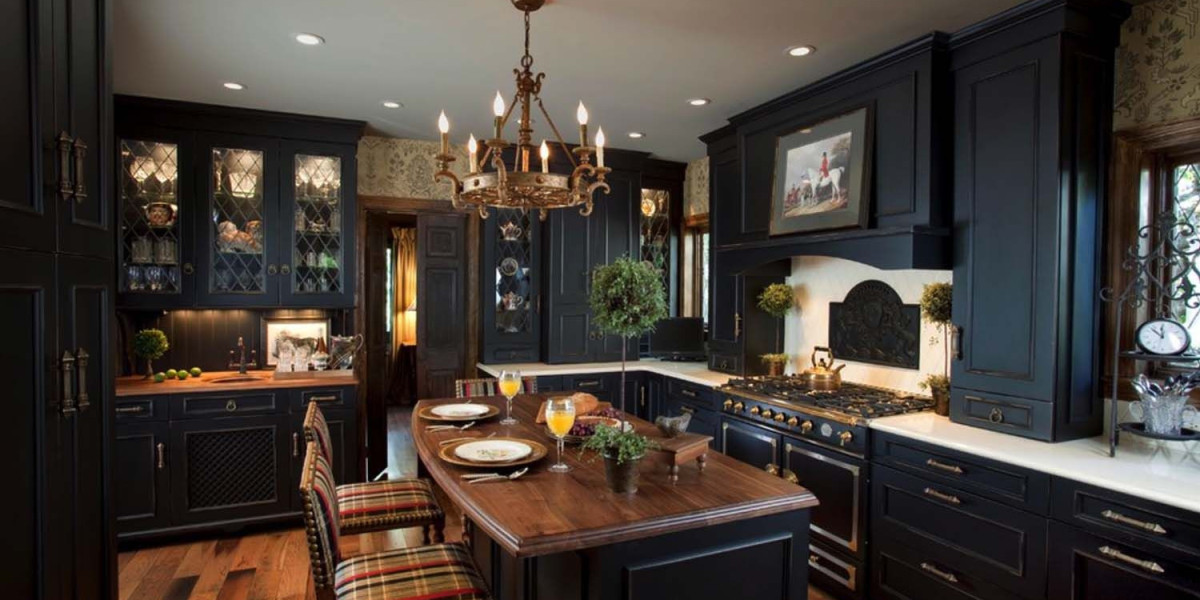

Understanding Your Kitchen Cabinet Needs
Kitchen cabinets influence the appearance, organization, and functionality of one of the most frequently used rooms in a home. Well-designed cabinets provide storage for cookware, dishes, pantry items, and everyday essentials while helping maintain a clean, organized environment. Before starting a project, consider your cooking habits, available space, preferred design, and long-term household needs to establish a practical renovation plan.
Planning Your Cabinet Installation
Before arranging Kitchen Cabinet Installation Agoura Hills CA, evaluate the existing kitchen layout and identify areas that need improvement. Check the dimensions of walls, windows, doorways, appliances, and plumbing fixtures to determine where cabinets can fit comfortably. Accurate measurements help prevent alignment problems and unnecessary adjustments during installation. A detailed plan also makes it easier to compare cabinet styles, estimate material requirements, and establish a realistic budget.
Choosing the Right Cabinet Materials
Cabinet materials affect durability, maintenance, appearance, and overall cost. Solid wood offers a natural look and can often be refinished, while plywood provides a stable foundation for many cabinet designs. Medium-density fiberboard and other engineered materials may suit painted finishes and specific budgets. Compare construction quality, moisture resistance, hardware compatibility, and manufacturer recommendations before choosing materials for your kitchen.
Selecting a Suitable Cabinet Style
Cabinet doors and finishes play a major role in defining the kitchen's visual character. Shaker cabinets offer a versatile design that works with traditional and contemporary interiors, while flat-panel doors create a simpler, modern appearance. Natural wood tones can introduce warmth, whereas white, gray, or other painted finishes may create a brighter atmosphere. Select a style that complements your countertops, flooring, backsplash, and existing interior features.
Maximizing Storage and Organization
Effective cabinet planning makes daily kitchen activities easier. Deep drawers can store pots and pans, pull-out shelves can improve access to items at the back of cabinets, and vertical dividers can organize baking trays and cutting boards. Corner cabinet solutions may also help use awkward spaces more efficiently. Consider keeping frequently used dishes and cooking tools within easy reach while reserving higher shelves for occasional-use items.
Preparing the Kitchen for Installation
Proper preparation helps installation proceed smoothly. Remove dishes, food, and personal belongings from existing cabinets, and arrange an alternative area for essential kitchen supplies. If old cabinets need to be removed, confirm how debris will be handled and whether walls or flooring require repairs afterward. Contractors should also review electrical, plumbing, and appliance locations before installation to identify potential conflicts with the new cabinet layout.
Ensuring Accurate Measurements and Alignment
Cabinets must be level, securely supported, and properly aligned to create a professional finish. Uneven floors or walls can complicate installation, so these conditions should be addressed before cabinets are fastened in place. Upper cabinets require suitable wall support, while base cabinets need a stable foundation. Careful positioning also helps countertops fit correctly and allows doors and drawers to open without interfering with nearby appliances.
Coordinating Cabinets With Other Renovations
Cabinet installation often forms part of a larger kitchen improvement project. Flooring, countertops, lighting, plumbing fixtures, and backsplashes may need to be coordinated with the cabinet schedule. Planning the order of work reduces the risk of damaging newly installed surfaces or delaying other tasks. Homeowners considering Home Remodeling Services should discuss the complete project scope, material choices, timeline, and responsibilities before construction begins.
Establishing a Realistic Project Budget
A cabinet budget should include more than the price of the cabinets themselves. Account for measurements, delivery, installation labor, hardware, demolition, disposal, and any necessary wall or flooring repairs. Custom cabinets may offer a precise fit but generally require a larger investment and longer production time. Stock and semi-custom options can provide alternatives for different budgets, depending on available dimensions and design requirements.
Maintaining Your New Kitchen Cabinets
Routine care helps cabinets retain their appearance and functionality. Clean surfaces with a soft cloth and products approved by the manufacturer, avoiding excessive moisture and abrasive cleaners. Wipe spills promptly, particularly around sinks and dishwashers, where moisture can affect cabinet materials. Check hinges, drawer slides, and handles periodically, tightening or adjusting hardware when necessary to keep doors aligned and drawers operating smoothly.
Creating a Kitchen That Works for You
A successful cabinet project combines careful planning, reliable materials, and precise installation. By considering storage needs, design preferences, measurements, and the overall renovation schedule, homeowners can create a kitchen that supports everyday activities while enhancing the room's appearance. Taking time to evaluate options before purchasing materials can also reduce costly mistakes and help ensure the finished cabinets remain useful, attractive, and easy to maintain.


