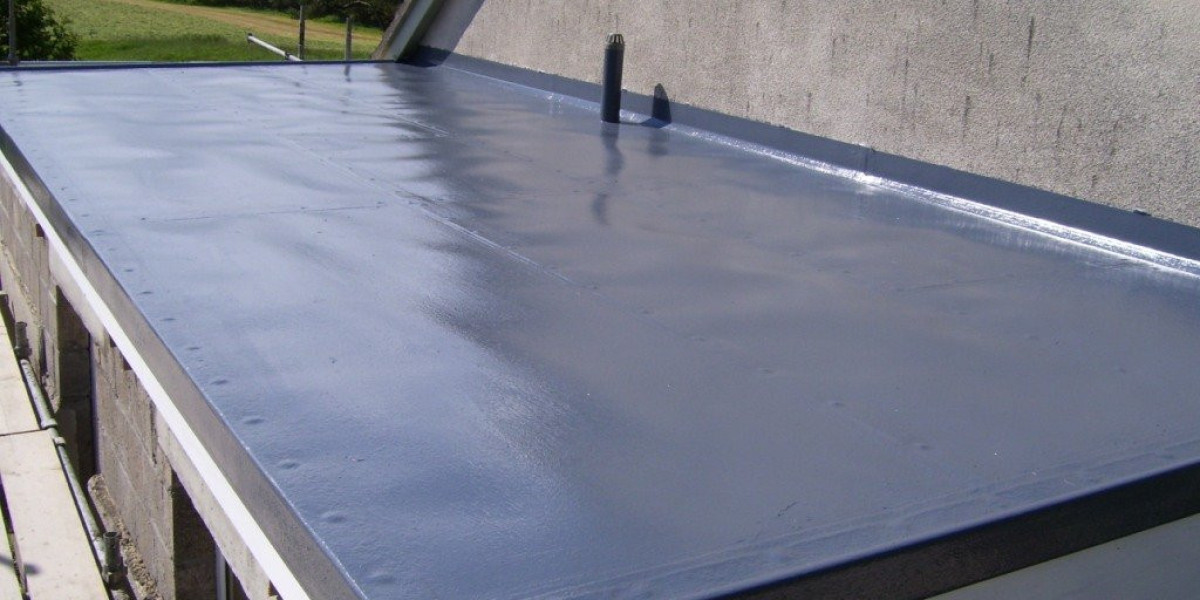

Understanding Flat Roof Replacement
Flat roofs are commonly used on commercial buildings, apartment complexes, and modern residential properties because they offer a streamlined appearance and practical use of space. However, exposure to sunlight, heavy rain, standing water, and temperature changes can gradually weaken roofing materials. When repairs no longer provide dependable protection, replacing the roof may help prevent recurring leaks and protect the building's interior.
Recognizing Signs of Roof Deterioration
Before arranging Flat Roof Replacement Services Dania Beach FL, examine the roof for warning signs such as persistent leaks, blistering membranes, cracked seams, loose flashing, and damaged drainage areas. Water stains on ceilings or walls may also indicate a roofing problem. Although some defects can be repaired, widespread deterioration or repeated moisture intrusion may suggest that a complete replacement is the more practical long-term solution.
Evaluating the Existing Roof Structure
A roof replacement should begin with a thorough assessment of the existing system. Roofing professionals may inspect the membrane, insulation, flashing, drainage components, and underlying deck to determine their condition. Hidden moisture can damage structural materials even when the surface appears relatively intact. Identifying these concerns before installing new roofing helps prevent problems from being concealed beneath the replacement system.
Choosing Suitable Flat Roofing Materials
Several roofing systems can provide effective protection when selected and installed correctly. Modified bitumen offers a layered approach, while single-ply membranes such as TPO, PVC, and EPDM have different characteristics involving flexibility, installation, and resistance to environmental exposure. The best option depends on the building design, budget, maintenance expectations, and manufacturer requirements. Comparing these factors helps property owners make informed decisions about long-term performance.
Improving Drainage and Preventing Ponding
Although flat roofs have a low slope, they still need effective drainage to move rainwater away from the building. Poorly positioned drains, blocked outlets, and inadequate slope can allow water to collect on the surface. Persistent ponding may increase stress on roofing materials and contribute to premature deterioration. During replacement, drainage conditions should be evaluated and corrected where necessary to support reliable water management.
Understanding the Importance of Flashing
Flashing protects vulnerable transition points around roof edges, vents, pipes, skylights, and other penetrations. If these areas are poorly sealed or deteriorated, water can enter even when the main roofing membrane remains in good condition. A replacement project should include careful attention to these details. Properly installed flashing, compatible sealants, and secure edge treatments help create a more continuous barrier against moisture intrusion.
Preparing for Installation
Before work begins, property owners should discuss the project schedule, access requirements, material deliveries, and disposal of old roofing components. Nearby vehicles, outdoor furniture, and sensitive equipment may need protection during removal and installation. Building occupants should also be informed about temporary noise and access restrictions. Careful preparation helps reduce disruption and allows the roofing crew to work more efficiently.
Working With Experienced Roofing Professionals
Selecting a qualified contractor is an important part of a successful roofing project. When comparing Local roofing experts Dania Beach FL, review their experience with flat roofing systems, insurance coverage, written estimates, and familiarity with local building requirements. Ask what the proposal includes, such as removal of existing materials, deck repairs, insulation, flashing, cleanup, and warranty information. Clear documentation helps prevent misunderstandings about the project's scope and cost.
Considering Weather and Local Conditions
In coastal South Florida, intense sunlight, heavy rainfall, humidity, and tropical weather can place considerable demands on roofing systems. Materials must be suitable for the building's exposure and installed according to applicable codes and manufacturer specifications. Wind resistance, secure edge details, and effective drainage deserve particular attention. Planning the work around weather conditions also helps protect exposed roof areas while the replacement is underway.
Maintaining Your New Flat Roof
Routine inspections can help identify developing problems before they cause extensive damage. Remove leaves and debris from drainage areas, check accessible flashing, and look for signs of membrane damage after severe weather. Avoid walking on the roof unnecessarily, as improper access can damage certain systems. Follow the roofing manufacturer's maintenance recommendations and arrange professional inspections when concerns arise or the roof experiences significant weather exposure.
Protecting Your Property for the Future
A properly planned flat roof replacement can improve weather protection and reduce recurring maintenance concerns. The strongest results come from selecting suitable materials, correcting drainage issues, and ensuring every connection is installed correctly. By assessing the existing roof carefully and working with qualified professionals, property owners can make a practical investment in building protection, long-term durability, and peace of mind.