
Understanding Long-Distance Vehicle Towing
Moving a disabled vehicle over a long distance requires careful planning, appropriate equipment, and dependable transportation arrangements. A breakdown, mechanical failure, accident, or relocation need may make it necessary to transport a car or truck rather than drive it. Understanding the available towing options helps vehicle owners protect their property, manage costs, and prepare for a smoother transportation experience.
Determining Your Towing Requirements
Before arranging Long Distance Truck Towing Portland OR, identify the vehicle's size, weight, condition, and destination. A standard passenger car may require different equipment from a heavy pickup, commercial truck, or vehicle with extensive mechanical damage. Share details about steering, braking, tire condition, and ground clearance with the provider. Accurate information helps determine the appropriate towing method and reduces the risk of complications during loading.
Choosing the Right Towing Method
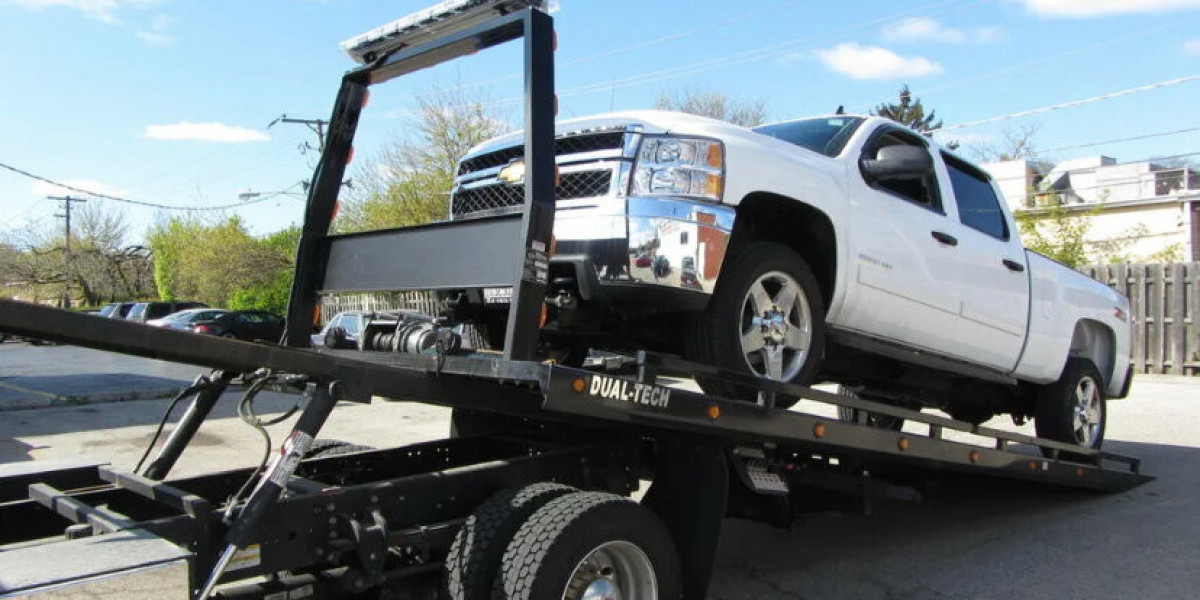
Different towing methods suit different vehicles and circumstances. Flatbed towing carries the vehicle on a platform, keeping its wheels off the road during transport. Wheel-lift equipment may be suitable for certain shorter or specialized towing situations, depending on the vehicle and manufacturer's recommendations. For long-distance trips, the vehicle's drivetrain, damage, weight, and transportation requirements should guide the decision rather than convenience alone.
Preparing Your Vehicle for Transport
Preparation helps make loading and delivery more efficient. Remove valuables, personal documents, loose accessories, and items that could shift during transportation. Secure detachable equipment where appropriate and take photographs of the vehicle's existing condition. If the vehicle can be accessed safely, provide the keys and any relevant information about mechanical problems. Follow the towing provider's instructions regarding fuel, alarms, parking brakes, and other vehicle-specific requirements.
Protecting Vehicles During Transit
Long-distance transportation exposes vehicles to road vibration, changing weather, and extended handling. Proper loading, secure tie-downs, and suitable equipment help reduce unnecessary movement during the journey. A professional operator should follow appropriate procedures for the vehicle's weight and configuration. Discuss how the vehicle will be secured and whether any special precautions are needed for lowered cars, damaged suspension components, or vehicles that cannot roll normally.
Understanding Towing Costs
The cost of a long-distance tow depends on several factors, including mileage, vehicle size, towing method, accessibility, and the condition of the vehicle. Additional charges may apply for difficult recovery, after-hours service, tolls, storage, or special equipment. Request a written estimate before confirming the service and ask which charges are included. Clear pricing details make it easier to compare options and avoid unexpected expenses.
Selecting a Reliable Towing Provider
Choosing an experienced provider can make a substantial difference when transporting a vehicle over a long distance. When comparing Towing Company Portland OR options, ask about service coverage, suitable equipment, insurance, estimated delivery time, and procedures for handling damaged vehicles. Check customer feedback and confirm that the company can accommodate the specific vehicle. Written service details also help establish clear expectations about pickup, delivery, and payment.
Planning Pickup and Delivery Details
A long-distance tow often involves coordination between the pickup location, transport operator, and destination. Confirm the exact addresses, contact information, access restrictions, and preferred delivery arrangements before the vehicle is collected. If the destination has limited parking or restricted operating hours, notify the provider in advance. Establishing a communication plan helps everyone stay informed if traffic, weather, or other conditions affect the schedule.
Considering Road and Weather Conditions
Road conditions and weather can influence towing schedules and transportation safety. Heavy rain, strong winds, poor visibility, and winter road hazards may require additional precautions or delays. In the Pacific Northwest, changing weather can affect travel conditions along certain routes. A responsible provider should consider current road conditions and adjust the plan when necessary instead of prioritizing speed over safe vehicle transportation.
Documenting the Vehicle's Condition
Before pickup, photograph the vehicle from several angles and record existing scratches, dents, broken components, or other visible damage. Keep copies of the service estimate and any transportation documents provided. At delivery, inspect the vehicle before completing the handover and compare its condition with the original photographs. Promptly report any concerns through the provider's documented claims process and retain relevant records.
Making Long-Distance Towing More Manageable
Successful long-distance towing depends on accurate vehicle information, suitable equipment, transparent pricing, and clear communication. Preparing the vehicle, confirming pickup and delivery arrangements, and documenting its condition can help prevent common problems. By selecting a provider experienced with the required vehicle type and transportation distance, owners can arrange a more organized towing process and move their vehicles with greater confidence.