
Understanding the Challenges of Equipment Transport
Moving heavy machinery and oversized equipment requires careful preparation, suitable vehicles, and experienced operators. Construction equipment, agricultural machinery, industrial components, and other large items may require specialized handling because of their weight, dimensions, and shape. Planning each stage of transportation helps reduce delays, protect valuable assets, and ensure equipment reaches its destination in suitable condition.
Identifying Equipment Transportation Requirements
Before arranging a shipment, owners should identify the equipment's weight, dimensions, lifting points, and handling requirements. These details help determine which trailer, hauling vehicle, and loading method will be appropriate. Businesses seeking Equipment Hauling Services Modesto CA should provide accurate information about the machinery and pickup and delivery locations. Clear details allow transportation professionals to evaluate the job and prepare an appropriate hauling plan.
Selecting the Appropriate Hauling Vehicle
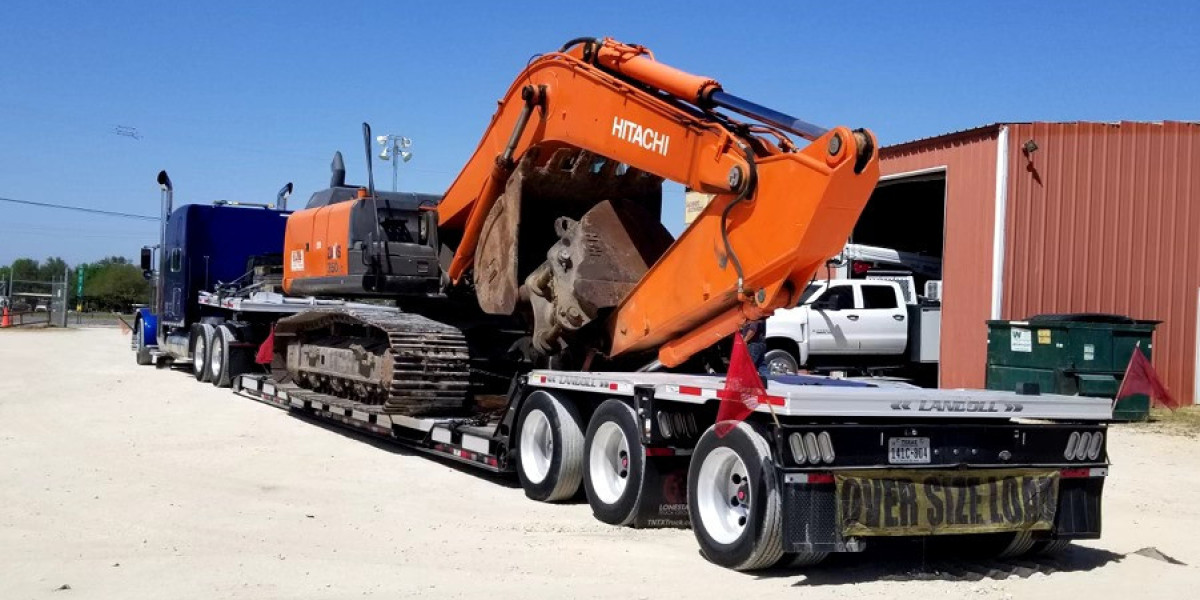
Different types of equipment require different transportation setups. Smaller machinery may fit on a standard flatbed trailer, while heavier or taller equipment could require a lowboy trailer, step-deck trailer, or specialized heavy-haul vehicle. Selecting the correct equipment helps maintain stability and comply with transportation regulations. The hauling provider should consider the cargo's dimensions, total weight, axle distribution, and loading requirements before choosing a vehicle.
Planning the Transportation Route
Route planning is particularly important when moving large or heavy machinery. Low bridges, narrow roads, restricted turns, construction zones, and weight limits can create problems for oversized loads. Drivers and dispatchers should review the planned route and identify potential obstacles before departure. Depending on the shipment, permits, escort vehicles, or approved travel times may also be necessary. Advance planning reduces unexpected stops and helps keep transportation on schedule.
Preparing Equipment for Safe Loading
Proper preparation helps prevent damage during loading and transit. Loose components, attachments, tools, and accessories should be secured or removed when necessary. Equipment may need to be cleaned to prevent debris from falling onto roadways or contaminating other cargo. Operators should also identify sensitive parts, check fluid leaks, and confirm whether the machinery requires special handling instructions. Following the manufacturer's recommendations can help protect equipment throughout the journey.
Using Proper Loading and Securing Techniques
Loading heavy equipment requires suitable ramps, lifting devices, and trained personnel. The machinery should be positioned to distribute weight appropriately across the trailer and its axles. Chains, straps, binders, and other approved securement devices must be suitable for the load's weight and configuration. Workers should inspect attachment points and confirm that the equipment cannot shift during sudden braking, turns, or changes in road conditions.
Understanding Permits and Transportation Regulations
Heavy and oversized shipments may be subject to specific state and federal transportation requirements. These rules can cover maximum dimensions, vehicle weight, axle loads, operating hours, and cargo securement. California transportation requirements should be reviewed carefully when a shipment travels within the state or crosses into another jurisdiction. Businesses should confirm permit requirements before scheduling delivery, since incomplete documentation can lead to penalties and costly delays.
Coordinating With a Reliable Transportation Provider
Successful equipment delivery depends on communication between the equipment owner, hauling provider, loading crew, and receiving location. A professional Trucking Company Modesto CA can help coordinate vehicle availability, pickup schedules, delivery expectations, and transportation documentation. Before booking, customers should ask about equipment capabilities, insurance coverage, relevant experience, and communication procedures. Clear responsibilities help prevent misunderstandings and make it easier to respond when conditions change.
Protecting Equipment During Transit
Even properly loaded machinery can be exposed to vibration, weather, road debris, and sudden changes in driving conditions. Appropriate securement checks, protective coverings, and careful driving help reduce these risks. Drivers should inspect the load before departure and at suitable intervals during the trip, following applicable regulations and company procedures. Any signs of shifting, loose restraints, or damage should be addressed safely before continuing.
Preparing the Pickup and Delivery Locations
Both locations should be ready before the truck arrives. The pickup site needs sufficient space for maneuvering, loading equipment, and positioning trailers safely. At the destination, the receiving team should confirm access routes, unloading equipment, ground conditions, and available personnel. Narrow entrances, soft surfaces, overhead obstacles, and limited turning space can complicate delivery. Checking these conditions in advance helps reduce waiting time and supports safer unloading.
Managing Schedules and Unexpected Delays
Equipment transportation schedules can be affected by traffic, weather, road closures, permit restrictions, and loading difficulties. Building reasonable flexibility into the timeline helps businesses avoid unnecessary disruption. Customers should confirm estimated pickup and delivery windows and maintain communication with the transportation provider. If a delay occurs, prompt updates allow the receiving team to adjust staffing, equipment availability, and project schedules accordingly.
Evaluating Costs and Service Details
Transportation costs depend on factors such as cargo weight, dimensions, distance, loading complexity, permits, and specialized equipment requirements. Customers should request a detailed estimate that explains the services included and identifies potential additional charges. Comparing providers based only on the lowest price may overlook important differences in experience, insurance, communication, and equipment suitability. A clear agreement helps establish expectations before the shipment begins.
Ensuring a Smooth Equipment Delivery
Safe equipment transport depends on preparation, appropriate vehicles, secure loading, regulatory compliance, and effective communication. Addressing these details before departure helps protect valuable machinery and reduce avoidable delays. Businesses that plan carefully and work with qualified transportation professionals can move equipment more efficiently while supporting workplace safety, project schedules, and reliable operations.