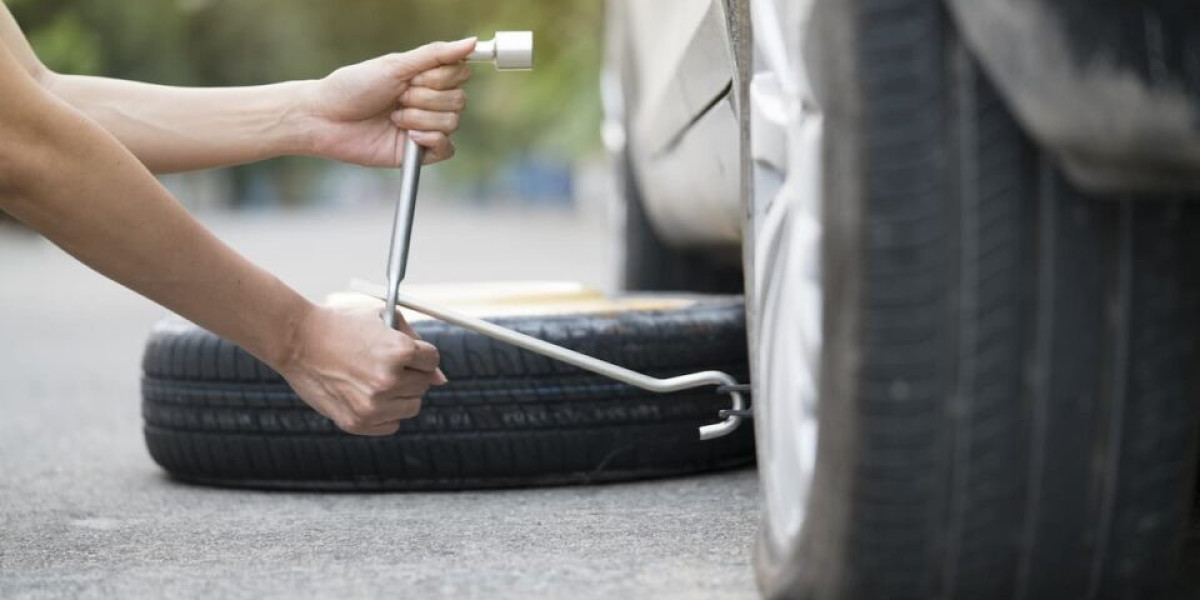

Understanding Why Flat Tires Happen
A flat tire can interrupt a commute, delay an appointment, or leave a driver stranded in an unfamiliar area. Tire problems may develop because of sharp road debris, damaged valve stems, worn tread, punctures, or insufficient air pressure. Understanding these common causes helps drivers respond calmly and make informed decisions when unexpected tire trouble occurs.
Recognizing When a Tire Needs Attention
Drivers may notice a flat tire through steering difficulties, unusual vibrations, a pulling sensation, or a tire pressure warning. Sometimes, the damage becomes obvious only after the vehicle has stopped. If the vehicle feels unstable or a tire appears deflated, slow down gradually and avoid sudden braking. Continuing to drive on a flat tire can damage the wheel and create additional safety risks.
Finding a Safe Place to Stop
When a tire loses pressure while driving, safety should come before repairing the problem. Reduce speed carefully, signal your intentions, and move away from moving traffic when possible. Choose a level, stable location with enough room around the vehicle. Turn on hazard lights and apply the parking brake after stopping. Avoid attempting a roadside repair if the vehicle is near fast-moving traffic or positioned unsafely.
Knowing When Professional Tire Assistance Helps
Not every tire problem can be handled with a spare or a basic repair kit. Drivers who experience a roadside breakdown may need Flat Tire Change Services in Baltimore MD to replace a damaged tire and continue their journey safely. Professional assistance can be especially helpful when the vehicle lacks a usable spare, the lug nuts are difficult to remove, or the roadside conditions make changing a tire dangerous.
Understanding the Tire-Changing Process
A typical tire change begins with checking the vehicle's position and confirming that the replacement tire is suitable. The technician secures the vehicle, loosens the wheel fasteners, and raises the vehicle using the correct lifting points. After removing the damaged tire, the replacement is installed and fastened according to the manufacturer's specifications. Proper tightening and a final inspection help ensure the wheel is securely attached before driving.
Choosing a Reliable Roadside Assistance Provider
When a breakdown occurs, drivers benefit from contacting a provider that communicates clearly and understands their vehicle's needs. A Best Towing Company may offer more than vehicle towing, including tire changes, jump-starts, lockout assistance, and fuel delivery. Before requesting service, explain the vehicle type, location, tire condition, and whether a spare is available. These details help the provider determine the right equipment and assistance.
Preparing Information Before Calling for Help
Accurate information can make roadside assistance more efficient. Drivers should share nearby street names, recognizable landmarks, their vehicle's make and model, and details about the problem. If possible, provide a safe description of the vehicle's position and mention any hazards, such as a narrow shoulder or heavy traffic. Keeping a phone charged and remaining reachable can also help the service provider locate the vehicle without unnecessary delays.
Checking Whether a Tire Can Be Repaired
A puncture does not always mean the tire must be replaced. Repair may be possible when damage is limited to an appropriate area of the tread and falls within accepted repair guidelines. Sidewall damage, large punctures, severe wear, or driving on a completely deflated tire may make repair unsafe. A qualified technician can inspect the tire and explain whether repair or replacement is the better option.
Understanding When Towing Is Necessary
Sometimes a tire change is not enough to make a vehicle roadworthy. A damaged wheel, suspension problem, multiple flat tires, or the absence of a suitable replacement may require towing. Drivers should explain these conditions when contacting roadside assistance. The provider can then determine whether on-site help is practical or whether transporting the vehicle to a repair facility is the safer choice.
Preventing Future Tire Emergencies
Routine tire maintenance can reduce the likelihood of unexpected breakdowns. Check tire pressure regularly when the tires are cold, following the vehicle manufacturer's recommended levels. Inspect tread depth and look for cracks, bulges, uneven wear, or embedded objects. Rotating tires according to the maintenance schedule can promote even wear. Drivers should also confirm that their spare tire, jack, and wheel tools are present and usable.
Keeping Essential Roadside Supplies Available
A small emergency kit can make roadside situations easier to manage. Consider carrying a reflective warning triangle, flashlight, gloves, basic first-aid supplies, and a portable phone charger. A properly maintained spare tire and compatible tools are useful when the vehicle is equipped for a tire change. However, equipment alone does not make every repair safe, particularly on busy roads, in poor weather, or in low-visibility conditions.
Handling Tire Problems With Confidence
Flat tires are inconvenient, but preparation and sensible decisions can reduce the risks associated with roadside breakdowns. Recognizing warning signs, stopping in a safe location, maintaining tires regularly, and contacting qualified assistance when needed all support safer travel. By understanding when to change a tire, seek a repair, or arrange towing, drivers can manage unexpected tire problems with greater confidence.