
Understanding How Water Damage Affects Walls
Water damage can affect a property's appearance, structural materials, and indoor comfort. Leaking pipes, roof problems, overflowing appliances, and stormwater intrusion may allow moisture to spread through drywall, insulation, paint, and wooden framing. Even a small leak can cause significant problems when it remains unnoticed. Recognizing the damage early helps property owners address the source and prevent more extensive repairs.
Identifying Early Signs of Moisture Problems
Water damage often creates visible changes that should not be ignored. Peeling paint, bubbling wallpaper, yellow or brown stains, soft drywall, and swollen baseboards may indicate moisture behind a wall's surface. A musty odor can also suggest damp materials or possible microbial growth. In some cases, damage develops inside wall cavities before obvious signs appear, making careful inspection important after any suspected leak.
Responding Quickly After Water Intrusion
The first priority after water enters a property is to stop the source when it is safe to do so. Shut off the affected water supply if a plumbing leak is responsible, or arrange professional help when the cause is unclear. Keep people away from areas with electrical hazards, sagging ceilings, or unstable materials. Prompt action limits continued exposure and helps reduce the amount of restoration work required.
Assessing the Extent of the Damage
A thorough assessment determines which materials can be dried and preserved and which may require removal. Professionals may examine wall surfaces, check moisture levels, inspect nearby flooring, and look for water movement inside concealed spaces. The origin of the water also matters because contaminated water requires different precautions from a clean-water leak. Identifying the full extent of the problem helps establish an appropriate repair plan.
Understanding Professional Restoration Options
Property owners dealing with moisture problems may need Water Damage Repair Services in Lynchburg VA to address affected materials and restore interior spaces. Depending on the situation, the work may include water removal, controlled drying, damaged drywall removal, insulation replacement, cleaning, and reconstruction. The exact process depends on how long the materials remained wet, the type of water involved, and whether hidden areas have been affected.
Drying Walls Before Starting Repairs
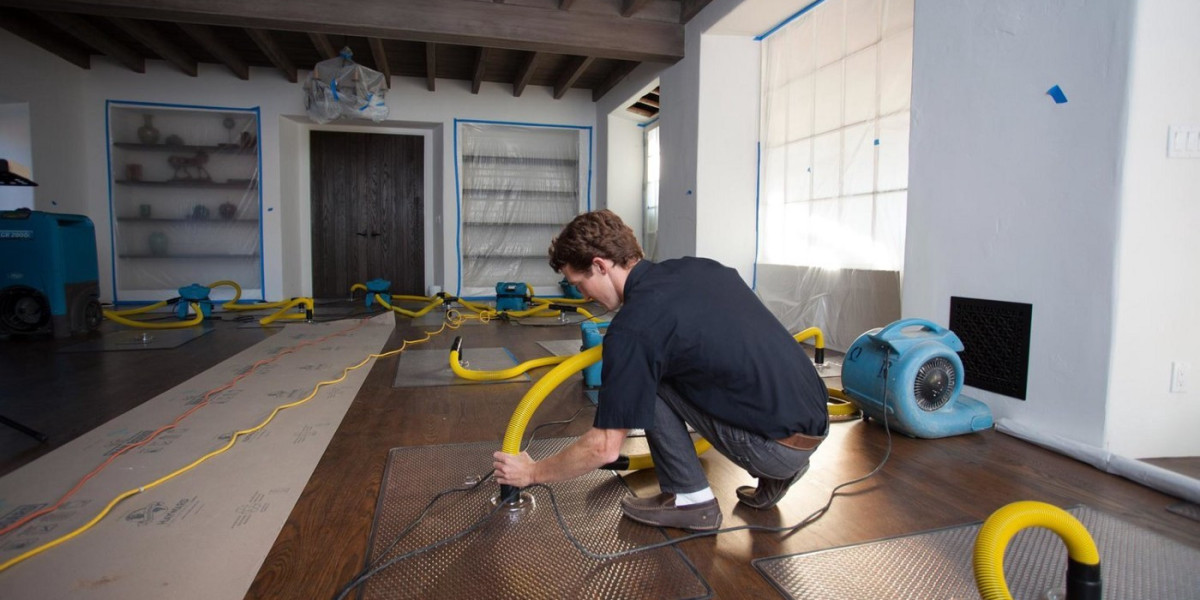
Replacing damaged drywall before resolving moisture problems can lead to recurring stains, weakened surfaces, and further deterioration. Drying should begin after the water source has been controlled and affected materials have been assessed. Professionals may use air movers, dehumidifiers, and moisture-monitoring equipment to manage the drying process. Materials should be checked rather than judged only by touch, since the interior of a wall can remain damp after its surface feels dry.
Deciding Whether Drywall Can Be Saved
Not every water-damaged wall needs complete replacement. Drywall that remains structurally sound and can be dried promptly may sometimes be preserved, depending on the water source and applicable restoration guidance. However, material that is swollen, crumbling, contaminated, or persistently damp may need removal. Insulation and other porous materials can also retain moisture. A careful evaluation helps determine the safest and most practical approach.
Repairing Damaged Wall Surfaces
Once affected materials are dry and the underlying problem has been corrected, wall reconstruction can begin. Drywall & Wall Repair Services may involve installing replacement drywall, securing joints, applying joint compound, sanding uneven areas, and preparing surfaces for paint. Matching the existing wall texture and finish helps repairs blend into the surrounding space. Proper installation and surface preparation also create a more durable result than simply covering visible stains.
Preventing Mold and Recurring Moisture
Persistent moisture can support mold growth, particularly when drywall, insulation, or other porous materials remain wet. Any suspected mold problem should be evaluated and handled according to the extent of contamination. Painting over a damp or mold-affected surface does not resolve the underlying issue. Repairing leaks, maintaining suitable indoor humidity, improving ventilation, and checking vulnerable areas periodically can help reduce the risk of recurring moisture damage.
Choosing Appropriate Finishing Materials
After repairs are complete, selecting suitable finishing products helps restore the wall's appearance and performance. Primer designed for repaired surfaces can improve paint adhesion and help prevent residual discoloration from showing through. Paint should be applied only after the surface is adequately dry and prepared. In areas exposed to frequent humidity, appropriate ventilation and moisture-resistant building materials may help reduce future problems, although they cannot replace proper leak prevention.
Protecting the Property From Future Damage
Routine maintenance can identify water problems before they affect large sections of a home or commercial building. Inspect plumbing connections, appliance hoses, roof penetrations, window seals, and exterior drainage systems. Address cracked caulking and visible leaks promptly, and consider installing leak detectors near vulnerable appliances or plumbing fixtures. During severe weather, monitor areas where water has entered previously, since repeated exposure can gradually weaken interior finishes.
Restoring Walls With a Careful Plan
Successful water damage restoration requires more than covering stains or replacing a damaged section of drywall. Property owners should identify the source, assess affected materials, ensure proper drying, and complete repairs only when the area is ready. Timely attention and preventive maintenance help protect interior surfaces, improve indoor conditions, and reduce the likelihood of expensive repairs caused by recurring water intrusion.