
Understanding the Purpose of Your Fence
A well-designed fence can improve privacy, define property boundaries, increase security, and enhance the appearance of a home or commercial space. Before choosing a style, consider what the fence needs to accomplish. A backyard may require privacy and a safe area for pets, while a commercial property may need controlled access and a sturdy perimeter. Clear goals help guide material selection, height, placement, and overall design.
Evaluating Your Property Before Installation
Every property has different conditions that can influence fence installation. Sloped ground, uneven soil, existing landscaping, drainage patterns, and nearby structures may affect post placement and the installation process. Measure the intended fence line and identify gates, corners, and changes in direction. Checking these details beforehand helps estimate material requirements accurately and reduces the likelihood of adjustments after construction begins.
Choosing Professional Installation Support
Property owners seeking Fence Installation Services in Bel Aire KS should consider the property's layout, intended use, preferred appearance, and maintenance expectations before choosing a contractor. An experienced installer can help evaluate suitable fence designs, determine practical post spacing, and explain the installation process. Requesting a written estimate that outlines materials, labor, site preparation, and cleanup helps establish clear expectations before the project starts.
Comparing Common Fence Materials
Wood, vinyl, aluminum, steel, and chain-link fencing each offer different benefits. Wood provides a traditional appearance and can be customized with different stains and designs. Vinyl generally requires less routine maintenance, while aluminum offers a lightweight option for many decorative applications. Steel can provide additional strength for demanding environments, and chain-link is often selected for practical boundary protection. The right material depends on the property's needs, budget, and exposure to weather.
Understanding Local Rules and Property Boundaries
Before installing a fence, homeowners should verify property lines and review applicable local requirements. Regulations may address fence height, placement near streets, visibility at intersections, and restrictions in easements. Homeowners associations may also have design guidelines. Confirming these requirements early can help prevent disputes, unexpected expenses, or the need to relocate a completed fence. Utility locations should also be identified before digging begins.
Selecting a Suitable Fence Design
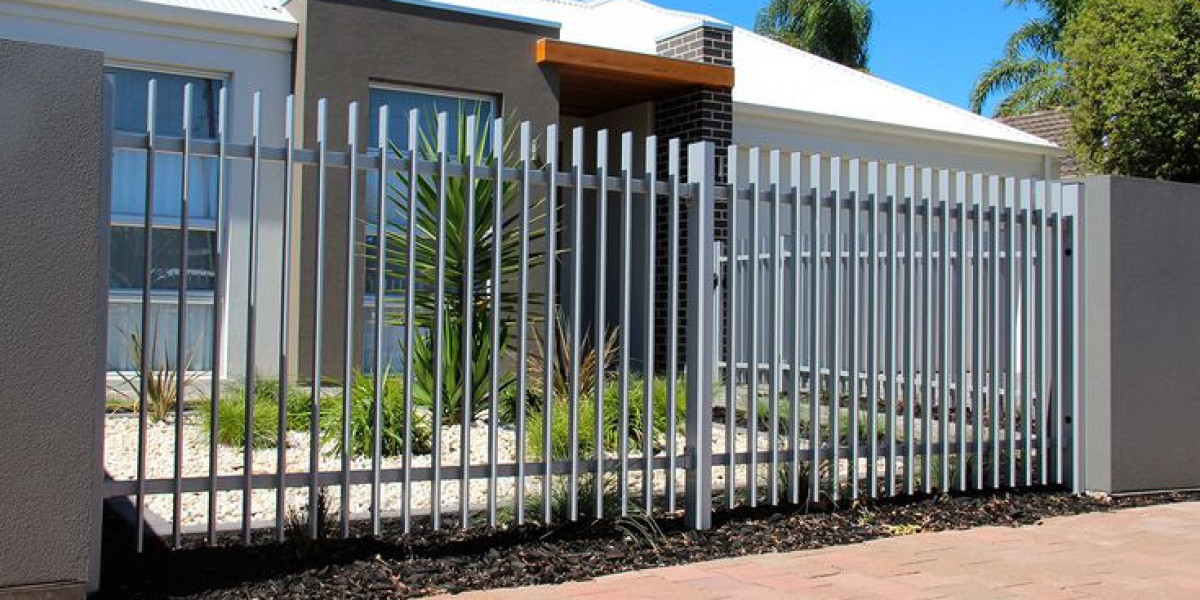
Fence design should complement the building while meeting practical requirements. Privacy fences use closely spaced boards or panels to limit visibility, whereas open designs allow airflow and maintain a less enclosed appearance. Decorative metal fencing can define outdoor areas without completely blocking views. Consider how the design will look from both sides, how gates will open, and whether the finished layout allows convenient access for people and equipment.
Preparing the Ground and Installing Posts
Proper ground preparation is essential for a stable fence. Vegetation, debris, and obstacles may need to be cleared before installation. Posts must be positioned accurately and installed at suitable depths based on fence design, soil conditions, and local requirements. Concrete footings may be appropriate for certain installations, while other conditions require different methods. Correct alignment and consistent spacing help prevent leaning sections, uneven panels, and premature structural problems.
Using Welding for Metal Fence Construction
Metal fencing may require welded joints to connect rails, frames, brackets, decorative elements, or custom gate components. Welding Services Bel Aire KS can be relevant when a project involves fabricated metal sections or specialized connections that need accurate fitting. Welding methods should suit the metal type, component thickness, and intended use. Proper preparation and inspection help create durable joints, while suitable protective coatings can reduce corrosion on exposed metal surfaces.
Choosing Gates and Access Points
Gates should provide convenient access without compromising the fence's overall stability. Consider the width needed for pedestrians, lawn equipment, vehicles, or delivery access. Hinges, latches, posts, and support frames must be suitable for the gate's size and weight. Heavy gates may require reinforced posts or specialized hardware. Planning gate placement during the design stage helps prevent awkward access routes and reduces the need for future modifications.
Maintaining Strength and Appearance
Routine maintenance can extend a fence's useful life and preserve its appearance. Inspect posts, fasteners, panels, hinges, and latches for movement or damage. Wooden fences may need periodic sealing, staining, or painting to protect them from moisture and sunlight. Metal fences should be checked for chipped coatings, rust, or damaged welds. Vinyl fencing benefits from occasional cleaning and inspection for cracks or loose sections.
Avoiding Common Installation Problems
Rushed planning can lead to uneven lines, unstable posts, incorrectly positioned gates, and wasted materials. Installing a fence without confirming property boundaries may also create unnecessary disagreements with neighbors. Poor drainage around posts can contribute to movement or deterioration, while unsuitable fasteners may weaken connections over time. Careful measurements, appropriate materials, and consistent installation practices help prevent these issues and support a better long-term result.
Creating a Fence That Lasts
A successful fence installation combines thoughtful design, suitable materials, accurate measurements, and reliable construction methods. Property owners who consider local requirements, ground conditions, gate access, and maintenance needs before work begins are better prepared to make informed decisions. With proper installation and regular care, a fence can provide dependable boundaries, improve outdoor functionality, and complement the property for many years.