
Understanding the Benefits of Large-Screen Displays
Large-screen televisions and digital displays can improve entertainment, communication, and visual presentation in many environments. Homeowners may want a more immersive viewing experience, while businesses can use displays to share promotions, announcements, presentations, and other information. A successful installation involves more than placing a screen on a wall. Screen size, viewing distance, mounting position, room lighting, and connectivity all contribute to the final result.
Choosing the Right Screen Location
Selecting the correct location helps create a comfortable and functional viewing experience. In living rooms, consider seating arrangements, window placement, glare, and the height of the screen. Commercial spaces require additional attention to foot traffic, visibility, and audience positioning. A display should remain easy to see without obstructing walkways or interfering with other equipment. Measuring the available space before installation helps determine the most suitable screen position.
Planning a Secure Installation
Property owners considering Large Screen TV Installation in Yardley PA should evaluate the wall structure, screen dimensions, and mounting requirements before work begins. Large televisions can be heavy, so the mounting system must support the equipment's weight and match the wall construction. Professionals can identify suitable attachment points, confirm compatibility, and determine whether additional reinforcement is necessary. Proper preparation reduces the risk of an unstable installation or damage to the surrounding surface.
Selecting the Appropriate Mounting Bracket
Different mounting brackets offer different benefits. Fixed mounts keep the television close to the wall, while tilting mounts allow adjustments to the vertical viewing angle. Full-motion mounts provide greater flexibility when viewers need to adjust the screen's direction. The best option depends on screen size, wall location, seating position, and available clearance. Always verify the bracket's weight rating and compatibility with the television's mounting pattern before installation.
Managing Cables for a Clean Appearance
Visible cables can make an otherwise professional installation look cluttered. Planning cable routes before mounting the screen helps organize power cords, HDMI connections, network cables, and audio wiring. Surface-mounted cable covers may offer a straightforward solution, while concealed wiring can create a cleaner appearance when completed appropriately. Electrical work inside walls should follow applicable codes and be handled by qualified professionals when required.
Improving Audio and Viewing Comfort
A large display can provide impressive visuals, but sound quality also influences the overall experience. Built-in television speakers may be adequate for smaller rooms, while soundbars or separate speaker systems can improve clarity in larger spaces. Position speakers to suit the room layout and avoid blocking ventilation or screen access. Adjusting brightness, picture settings, and viewing distance can further improve comfort during extended use.
Exploring Commercial Display Applications
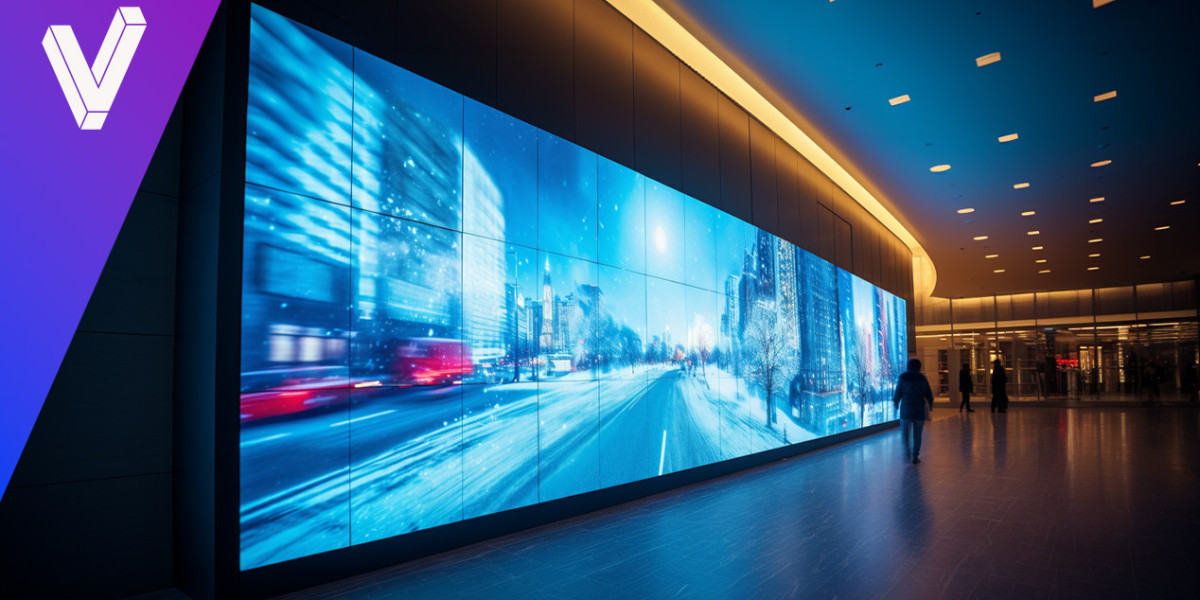
Businesses use digital screens in reception areas, retail stores, restaurants, offices, educational facilities, and public venues. Digital Display Services in Yardley PA may support projects involving commercial screens, digital signage, video walls, and presentation systems. The appropriate setup depends on how information will be displayed, how often content changes, and whether the screen operates for extended periods. Careful planning helps align display technology with business objectives.
Understanding Digital Signage Requirements
Commercial digital signage may require more than a screen and mounting bracket. Businesses should consider content management software, network connectivity, media players, screen orientation, and scheduling requirements. A retail display may need frequent promotional updates, whereas an office screen may present announcements or meeting information. Choosing compatible equipment and a manageable content system helps staff keep information current without unnecessary technical complexity.
Considering Lighting and Screen Visibility
Ambient lighting can affect how clearly viewers see a display. Bright windows may create reflections, while insufficient lighting can make a screen uncomfortable to watch in some settings. Before installation, evaluate sunlight exposure, overhead fixtures, and the typical viewing conditions throughout the day. Commercial displays intended for bright environments may require screens designed for higher brightness levels. Choosing equipment suited to its surroundings helps maintain visibility and readability.
Checking Power and Connectivity
Reliable power and signal connections are essential for consistent operation. Before installation, identify nearby outlets, available network access, source devices, and any required adapters. Businesses may also need to connect computers, conferencing equipment, streaming devices, or centralized media systems. Confirming compatibility before purchasing components can prevent delays and reduce the need for extra accessories. Equipment should have sufficient ventilation and access for future maintenance.
Maintaining the Display System
Regular care helps preserve image quality and reduce avoidable interruptions. Clean screens with manufacturer-approved materials, keep vents free from dust, and inspect accessible cables for damage. Commercial installations should also include checks of mounting hardware, software updates, network connections, and content playback. For systems used daily, a maintenance schedule can help identify problems before they interfere with meetings, customer communication, or entertainment.
Creating a Reliable Display Experience
A successful display installation combines suitable equipment, secure mounting, organized cabling, dependable connectivity, and thoughtful positioning. Homeowners benefit from comfortable viewing and a tidy appearance, while businesses can use digital displays to communicate more effectively. Planning the project carefully and following manufacturer instructions helps protect the equipment, simplify maintenance, and deliver dependable performance over time.


