
Understanding the Bed Bug Problem
Bed bugs are small insects that feed on human blood and commonly hide near places where people sleep or rest. They can enter homes through luggage, used furniture, clothing, and other personal belongings. Although they do not typically transmit diseases, their bites may cause itching, skin irritation, and sleep disruption. Identifying an infestation early can help prevent the insects from spreading into additional rooms.
Recognizing Common Signs of Infestation
Bed bugs are difficult to detect because they hide in narrow spaces during the day. Common warning signs include small reddish stains on sheets, dark spots along mattress seams, shed insect skins, and live bugs near sleeping areas. Some people develop itchy marks after being bitten, although skin reactions vary and cannot confirm an infestation on their own. A careful inspection can help determine whether further treatment is necessary.
Inspecting Bedrooms and Resting Areas
A thorough inspection should include mattress seams, bed frames, headboards, furniture joints, baseboards, and cracks near sleeping areas. Bed bugs may also hide behind loose wallpaper, inside upholstered furniture, and around nearby electrical fixtures. Use a flashlight to examine narrow spaces without disturbing potential hiding places unnecessarily. Finding insects or characteristic evidence in several locations can help establish the extent of the problem and guide an appropriate treatment plan.
Seeking Professional Treatment
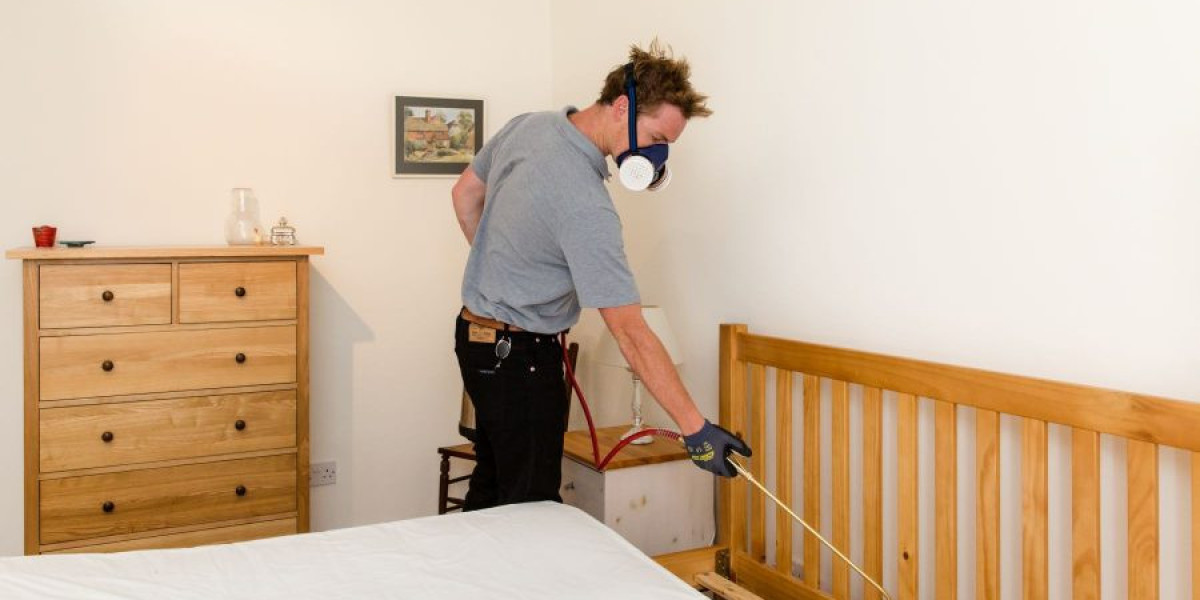
When an infestation becomes difficult to manage, Bed Bug Removal in Hollywood FL can help property owners address the problem through a structured inspection and treatment process. Professionals can identify likely hiding areas, determine how widely the insects have spread, and recommend suitable methods. Treatment may involve targeted applications, specialized heat equipment, or a combination of approaches, depending on the property and the severity of the infestation.
Understanding Available Removal Methods
Bed bug treatments vary according to the setting, infestation level, and materials involved. Heat treatment can expose insects and their eggs to temperatures that are lethal when the required conditions are achieved throughout the treatment area. Targeted pesticide applications may also be used where appropriate. Some situations require more than one visit because hidden insects can survive in untreated locations or emerge after the initial treatment.
Preparing Your Home Before Treatment
Following preparation instructions helps make treatment more effective. Residents may need to remove clutter, separate washable fabrics, empty specific storage areas, or move furniture away from walls. Bedding and clothing should be handled carefully to avoid spreading insects into unaffected rooms. Follow the provider's exact instructions rather than moving items throughout the home without a plan. Improper preparation can make inspection and treatment more difficult.
Cleaning Bedding and Personal Belongings
Washable bedding, clothing, and similar items can often be treated using a suitable dryer cycle that reaches temperatures sufficient to kill bed bugs. Follow fabric care labels and professional guidance when choosing a method. Store cleaned items in sealed bags or containers until the affected area has been treated. Avoid transferring untreated belongings between bedrooms, since this can spread insects and complicate efforts to eliminate the infestation.
Working With a Local Pest Professional
Choosing a provider with relevant experience can help residents understand their options and treatment responsibilities. Local Pest Control in Hollywood FL may cover a range of household pests, but bed bug treatment requires specific inspection methods and follow-up planning. Ask about the proposed treatment, preparation requirements, safety precautions, and whether additional visits are included. A clear explanation of the process helps residents prepare properly and understand what results to expect.
Avoiding Common Treatment Mistakes
Using excessive pesticide, combining household chemicals, or applying products in ways not listed on their labels can create unnecessary health risks. Bug bombs and foggers may fail to reach bed bugs hidden in cracks and furniture joints. Throwing away mattresses without treating surrounding areas may also leave the infestation unresolved. Use only products approved for the intended setting and follow label directions carefully. Professional guidance is especially valuable when treatment options are uncertain.
Monitoring Results After Treatment
Eliminating bed bugs may require ongoing observation after the initial service. Residents should follow recommendations for inspecting mattress seams, bed frames, and nearby furniture. Interceptors placed beneath bed legs may help monitor activity when used correctly. Avoid assuming that every new skin mark indicates treatment failure, because bite reactions can appear later and have other causes. If live insects or fresh evidence appear, contact the treatment provider for advice.
Preventing Bed Bugs From Returning
Preventive habits can reduce the chance of another infestation. Inspect secondhand furniture before bringing it indoors, check hotel sleeping areas when traveling, and keep luggage away from beds when practical. After returning home, examine belongings and launder suitable clothing according to care instructions. Reducing clutter around sleeping areas also creates fewer hiding places and makes future inspections easier.
Maintaining a Comfortable, Pest-Free Home
Bed bug problems can be stressful, but a careful response can make them easier to manage. Early identification, appropriate treatment, careful handling of belongings, and follow-up monitoring all contribute to better results. By following professional instructions and adopting practical prevention habits, homeowners and renters can reduce the risk of recurring infestations and maintain more comfortable sleeping spaces.


