
Understanding the Impact of Insects on Properties
Insects can affect homes and outdoor spaces in several ways, from contaminating food to damaging plants and creating discomfort around frequently used areas. Some species enter buildings in search of shelter, while others gather around moisture, rubbish, or vegetation. Occasional sightings do not always indicate a serious infestation, but repeated activity deserves attention. Understanding the conditions that attract insects helps property owners identify problems and choose sensible prevention measures.
Recognizing When Insect Treatment May Be Needed
Repeated sightings, insect trails, damaged materials, droppings, and unusual activity around windows or doors may indicate a developing problem. Insect Treatment Services in Fruitland Park FL may be worth considering when these signs continue despite routine cleaning and maintenance. Because insects differ in appearance and behavior, observing affected locations can provide useful clues. Identifying the pest before selecting a treatment helps prevent unnecessary applications and makes it easier to address the underlying issue.
Identifying Common Household and Outdoor Insects
Ants, cockroaches, flies, mosquitoes, beetles, and other insects can appear around residential properties. Some are attracted to food and moisture indoors, while others gather around gardens, patios, and exterior lighting. Certain insects can damage plants or stored materials, whereas beneficial species support pollination and natural pest control. Recognizing the type of insect helps determine whether intervention is necessary and which management options may be appropriate for the affected area.
Understanding Conditions That Encourage Insect Activity
Insects often take advantage of accessible food, standing water, damp surfaces, and sheltered spaces. Uncovered rubbish, food residue, leaking pipes, and dense vegetation can provide favorable conditions for certain species. Small gaps around windows, doors, and utility openings may also allow insects to enter buildings. Regularly inspecting these locations helps property owners identify common attractants and make practical changes that reduce the likelihood of recurring activity.
Preparing the Property Before Treatment
Preparation can help make an insect assessment and treatment process more organized. Clean accessible surfaces, store food securely, remove unnecessary clutter, and address obvious moisture problems where practical. Outdoors, empty containers holding standing water and keep rubbish covered. Follow any specific preparation instructions provided by the treatment professional, particularly when cupboards, storage areas, or other locations need attention. Avoid disturbing suspected nests or heavily infested materials before the situation has been assessed.
Choosing the Right Pest Management Approach
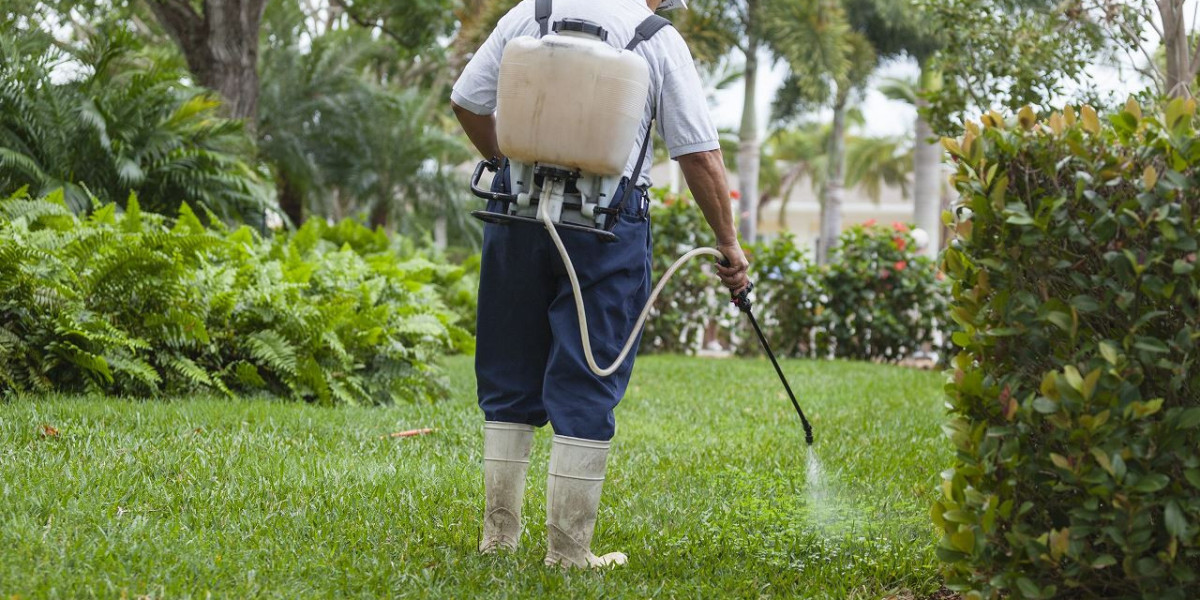
Treatment should be selected according to the insect species, the extent of activity, and the conditions supporting it. Pest Control Services in Fruitland Park FL may help property owners evaluate suspected infestations and understand suitable management options. Depending on the findings, a plan may include targeted treatment, sanitation improvements, entry-point repairs, or ongoing monitoring. Addressing the source of the problem is important because treating visible insects alone may not prevent further activity.
Following Safe Treatment Practices
Treatment products must be appropriate for the target insect and the intended location. Follow label instructions concerning application amounts, protective equipment, ventilation, and access to treated areas. Keep children and pets away for the specified period, and protect food, dishes, and personal belongings as directed. Never mix chemicals or apply products in ways not described on their labels. If professional treatment is arranged, ask about necessary precautions before the appointment.
Understanding the Role of Treatment Timing
The timing of treatment can influence its effectiveness because insects have different life cycles and activity patterns. Some may be easier to manage during particular developmental stages, while others remain hidden in cracks, soil, or stored materials. Weather and seasonal changes can also affect outdoor insect activity. Observing when and where insects appear can provide useful information and help determine whether further assessment or a particular treatment schedule is appropriate.
Preventing Insects From Returning
Long-term prevention depends on reducing the conditions that allow insects to survive and reproduce. Keep food in sealed containers, clean spills promptly, control moisture, and repair suitable entry points. Maintain exterior vegetation and remove standing water where possible. Regularly inspect areas where insects were previously observed, especially around kitchens, bathrooms, storage spaces, and entrances. These habits cannot eliminate every insect, but they can reduce common attractants and make renewed activity easier to detect.
Monitoring Results After Treatment
After treatment, observe the affected areas and record any changes in insect activity. Results may take time depending on the species, its life cycle, and the management method used. Follow recommendations concerning cleaning, ventilation, and access to treated spaces. If activity persists or increases, arrange further assessment rather than repeatedly applying the same product without understanding why the problem remains. Monitoring helps determine whether additional action is needed.
Maintaining a Cleaner and More Comfortable Property
Effective insect management combines accurate identification, suitable treatment, and consistent prevention. Reducing food sources, controlling moisture, sealing entry points, and maintaining outdoor spaces can make a property less attractive to many pests. When an infestation persists, a focused assessment can help identify practical next steps. With regular observation and responsible treatment practices, property owners can maintain cleaner living spaces and reduce the likelihood of recurring insect problems.