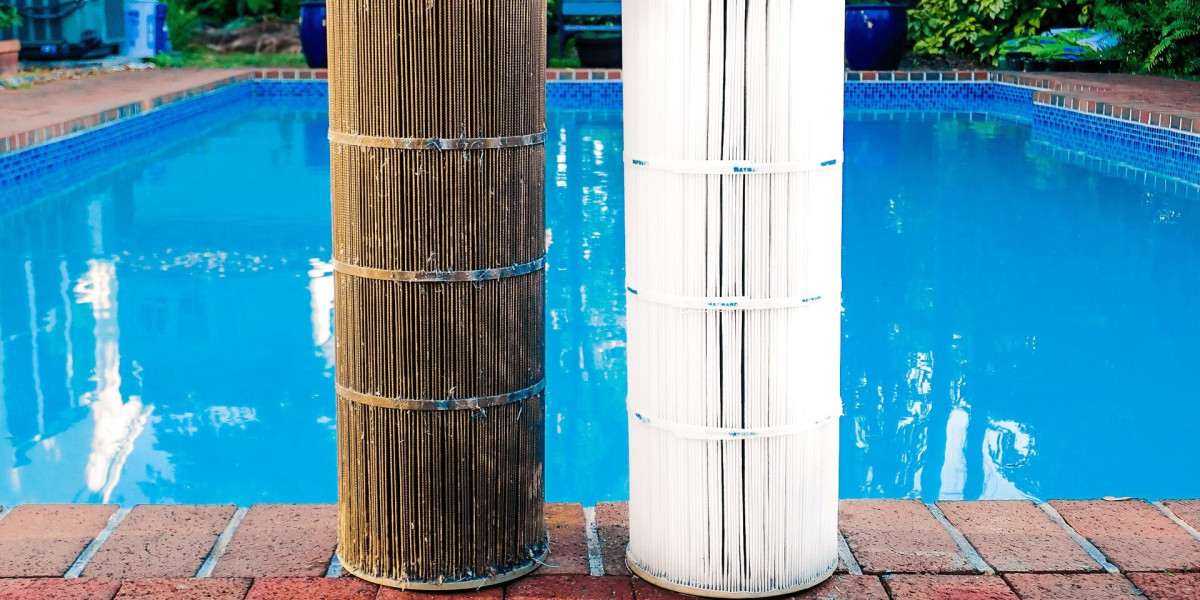

A swimming pool can look clean on the surface while its filtration system struggles to keep the water clear. Pool filter cleaning Terrace, WA is an important part of routine pool care because the filter catches dirt, fine debris, oils, and other particles that circulate through the water. When the filter becomes clogged, water may move more slowly through the system, making it harder to maintain good water quality. Regular cleaning helps the filtration system work as intended and can make it easier to spot potential equipment problems. For pool owners in Terrace, Washington, understanding basic filter maintenance is useful throughout the swimming season. Neptune Pool & Spa can help pool owners understand the importance of proper maintenance and keep their pools ready for comfortable, enjoyable swimming.
Why Pool Filters Need Regular Attention
Pool filters collect contaminants that would otherwise remain in the water. Leaves, dust, body oils, sunscreen, and small particles gradually build up as the pool is used. How quickly this happens depends on the filter type, the amount of swimming activity, surrounding trees, weather conditions, and overall pool maintenance. Pool filter cleaning helps address this buildup before it begins to affect circulation and water clarity. A dirty filter may contribute to cloudy water, reduced water flow, or an increase in the pressure reading on a filter equipped with a pressure gauge. However, these symptoms can also have other causes, including water chemistry problems or equipment faults. Checking the filter regularly allows pool owners to recognize changes early and decide when cleaning or further inspection is necessary.
Common Signs of a Dirty Filter
One of the first things pool owners may notice is that the water no longer looks as clear as it usually does. The return jets might also produce weaker flow, or the pressure gauge may show a reading above its normal clean-filter level. Some filters can become dirty without showing obvious signs immediately, which is why routine checks are helpful. Pool filter cleaning Terrace, WA should be considered when the manufacturer's cleaning guidelines indicate service is due or when filter performance begins to change. It is also worth checking the pump basket and skimmer basket because blockages in these areas can affect circulation. Cleaning the correct component matters. A clogged basket, dirty filter cartridge, and poorly maintained sand filter require different approaches, so identifying the source of the problem is an important first step.
Understanding Different Pool Filter Types
Most residential swimming pools use cartridge, sand, or diatomaceous earth filters. Cartridge filters trap particles in a pleated material and generally require removal and rinsing when dirty. Sand filters push water through specially graded filter media, which captures unwanted particles. They are commonly cleaned through a process called backwashing, followed by rinsing when the equipment instructions require it. Diatomaceous earth filters use a fine filtering material to capture smaller particles and need maintenance according to the specific system design. Pool filter cleaning should always take the installed filter type into account because the cleaning method for one system may damage another if used incorrectly. Reading the equipment manual helps pool owners understand the proper procedure, recommended intervals, and any replacement parts or materials needed to maintain reliable filtration.
Basic Cleaning Precautions
Before opening a filter housing or removing any components, switch off the pool pump and follow the manufacturer's shutdown instructions. Filters can contain pressurized water, so never loosen a clamp, lid, or fitting until the system has been safely depressurized. Cartridge filters can usually be rinsed with a garden hose, working carefully between the pleats to remove trapped debris. Avoid excessive water pressure, which can damage the filter material. Sand and diatomaceous earth systems require their own procedures, and some maintenance tasks are better handled by a trained pool professional. After cleaning, make sure components are correctly seated and secured before restarting the system. Follow the manufacturer's instructions for restoring pressure and checking for leaks. These precautions help reduce the risk of equipment damage and prevent avoidable accidents during routine pool maintenance.
How Local Conditions Affect Pool Maintenance
Pools in Terrace, WA, may collect debris from nearby trees, seasonal weather, wind, and regular outdoor use. Leaves and organic material can enter the water, while fine dust and other particles may accumulate in the filtration system. Heavy pool use can also introduce sunscreen, body oils, and other contaminants that place additional demands on filtration. Pool filter cleaning services should therefore follow the actual condition of the pool rather than a rigid schedule that ignores changing circumstances. Checking the filter more frequently during periods of heavy use or increased debris can help owners respond to changing conditions. Neptune Pool & Spa can assist pool owners with understanding routine maintenance needs and recognizing when professional attention may be useful. Keeping baskets clear, monitoring water chemistry, and maintaining suitable circulation all contribute to a cleaner, more manageable pool.
Building a Practical Filter Maintenance Routine
A simple maintenance routine can help prevent small filtration issues from becoming frustrating problems. Begin by checking the water's appearance, inspecting skimmer and pump baskets, and recording the filter's pressure when it is clean. This clean-filter reading provides a useful comparison for future checks. Follow the manufacturer's instructions to determine when the filter needs cleaning, and inspect the equipment for visible damage or leaks. Avoid cleaning the filter unnecessarily because some systems work best when maintained according to their recommended operating conditions. If cleaning does not restore normal flow or water clarity, investigate other possible causes rather than repeatedly washing the filter. Neptune Pool & Spa can help pool owners understand the relationship between filter condition, circulation, and water care. A consistent routine makes it easier to identify changes and keep equipment in good working order.
Frequently Asked Questions
Q1. How often should a pool filter be cleaned?
Ans. Cleaning frequency depends on the filter type, pool usage, debris levels, and manufacturer recommendations. Check the pressure gauge and follow the instructions for your specific system.
Q2. What are the signs that a pool filter needs cleaning?
Ans. Common signs include reduced water flow, higher than normal filter pressure, and cloudy water. These symptoms may also indicate other circulation or water chemistry issues.
Q3. Can I clean my pool filter myself?
Ans. Many routine cleaning tasks can be completed by pool owners who follow the equipment manual and proper safety precautions. Pressurized systems must be shut down and depressurized before opening.
Q4. Does a clean filter eliminate the need for pool chemicals?
Ans. No. Filtration removes suspended particles, while appropriate water treatment helps control microorganisms and maintain balanced water chemistry. Both are important parts of pool care.
Q5. When should a pool filter be replaced?
Ans. Replacement may be necessary when a filter is damaged, deteriorated, or no longer performs properly after suitable cleaning and maintenance. The expected service life varies by filter type and usage.
Conclusion
A properly maintained filter plays an important role in keeping swimming pool water clear and supporting effective circulation. Regular inspections, correct cleaning methods, and attention to pressure readings can help pool owners recognize developing problems before they become more difficult to manage. The right maintenance routine depends on the type of filter installed, the amount of debris entering the pool, and how frequently the water is used. When cleaning does not improve performance, a closer inspection may be needed to identify equipment or water quality concerns. With practical maintenance habits and appropriate professional support, pool owners can spend less time dealing with filtration problems and more time enjoying their swimming areas. Consistent care helps protect pool equipment and supports a cleaner, more comfortable swimming experience throughout the season.