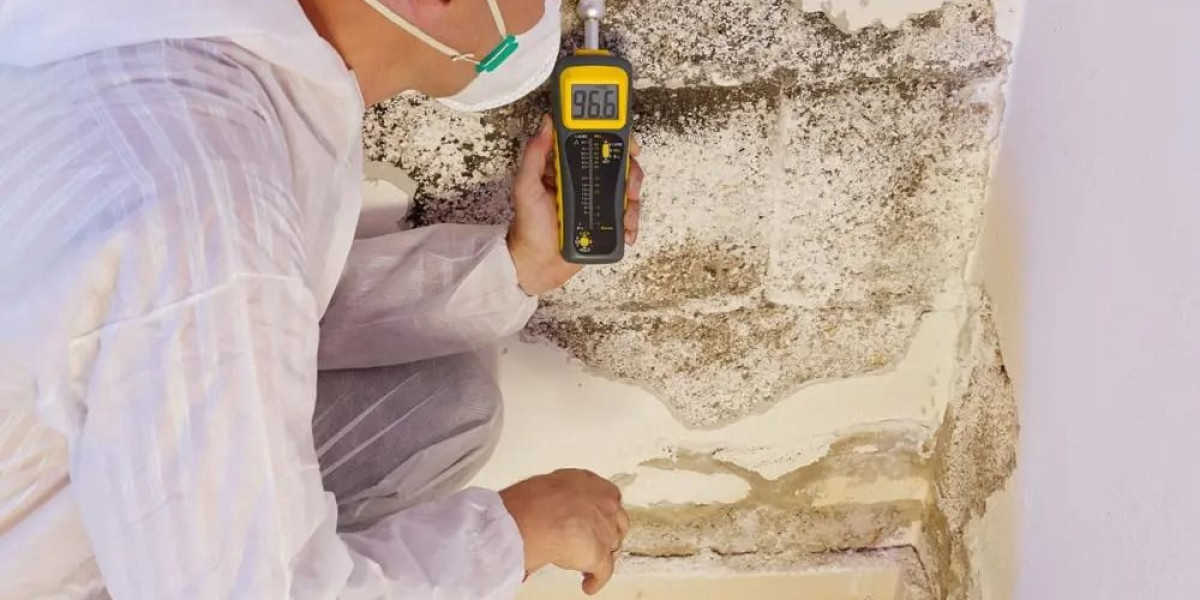

Why Mold Inspections Matter for Commercial Properties
Maintaining a commercial building involves monitoring more than its visible structure and essential equipment. Moisture problems can develop gradually and affect walls, ceilings, flooring, and other building materials. When damp conditions remain unnoticed, mold may begin to grow and create additional maintenance concerns. Regular attention to moisture and suspected mold can help property owners understand building conditions and plan appropriate corrective actions.
Identifying Possible Mold Problems
Commercial Mold Inspection Services Melbourne FL can help property owners investigate areas where mold growth or moisture damage is suspected. An inspection may involve examining accessible surfaces, looking for visible discoloration, checking for water stains, and identifying conditions that could support mold development. The purpose is to understand potential concerns and determine whether further testing or professional remediation may be appropriate.
Understanding What Causes Mold Growth
Mold commonly develops when moisture is present for an extended period. Leaking pipes, roof damage, poor drainage, condensation, and water intrusion can create favorable conditions. Commercial buildings may be especially challenging to monitor because they often contain large spaces, storage areas, mechanical rooms, and sections that receive limited attention. Finding the source of moisture is an important part of addressing suspected mold problems.
Recognizing Common Warning Signs
Visible spots, unusual discoloration, peeling paint, damaged ceiling tiles, and persistent musty odors may indicate a moisture-related issue. However, these signs do not automatically confirm mold growth. Property owners should investigate unusual changes instead of covering them with paint or replacing damaged finishes without understanding the cause. A closer evaluation can help determine whether moisture is present and what additional steps may be needed.
Examining Areas Vulnerable to Moisture
Certain areas of commercial properties may require more attention because of their exposure to water or humidity. Bathrooms, kitchens, basements, utility rooms, storage spaces, and locations near plumbing equipment can develop moisture problems. Inspectors may also examine accessible areas around windows, ceilings, and walls for signs of water intrusion. Previous leaks and repaired water damage deserve attention because moisture can sometimes remain within building materials.
Evaluating Ventilation and Humidity Conditions
Ventilation plays an important role in managing indoor moisture. When air circulation is inadequate, humidity and condensation may become more difficult to control. Heating and cooling equipment, exhaust fans, and ventilation pathways can influence indoor conditions. During an inspection, visible concerns involving these systems may be noted. Property owners can use the findings to determine whether maintenance or further evaluation is necessary.
The Value of a Broader Property Assessment
A Commercial inspection company Melbourne FL can help owners review the overall visible condition of a commercial property, including areas that may contribute to moisture concerns. A broader building assessment may cover accessible roofing, plumbing, ventilation, structural components, and other important systems. Understanding how these features work together can help property owners identify maintenance issues that could otherwise lead to recurring water damage.
Understanding the Inspection Process
The inspection process generally depends on the property's size, condition, and reported concerns. A professional may review visible surfaces, investigate areas with water stains, and look for signs of moisture intrusion. Where necessary, additional moisture measurements or mold testing may be recommended. The inspection approach should reflect the conditions observed rather than relying on assumptions based only on odors or discoloration.
When Additional Mold Testing May Be Needed
A visual inspection may identify suspicious conditions without confirming the presence or type of mold. In certain situations, sampling may provide additional information about specific areas or indoor air conditions. Testing decisions should be based on the purpose of the investigation and the observations made during the inspection. Property owners should understand that no single sample can represent every area of a large commercial building.
Addressing Moisture Sources and Damage
When an inspection identifies a possible moisture problem, the next step is to determine where the water is coming from. Roof leaks, plumbing defects, damaged seals, and drainage issues may require different repairs. Any affected materials should be evaluated to determine the appropriate response. Cleaning or removing visible mold without correcting the moisture source may allow the problem to return over time.
Preventing Recurring Mold Concerns
Preventive maintenance can reduce the likelihood of moisture problems developing into larger building concerns. Property owners should repair leaks promptly, maintain roofing and plumbing systems, monitor humidity, and keep ventilation equipment functioning properly. Areas with previous water damage should receive periodic attention. After flooding or significant water intrusion, affected spaces and materials should be dried appropriately to reduce the possibility of future mold growth.
Using Inspection Findings for Better Property Management
A commercial mold inspection can provide useful information for maintenance planning, repairs, and property management decisions. Reviewing the findings helps owners understand visible concerns, identify possible moisture sources, and determine when further professional evaluation is appropriate. Keeping inspection reports and repair records also supports consistent maintenance. By addressing problems early and monitoring vulnerable areas, owners can better protect their buildings and maintain suitable commercial spaces.