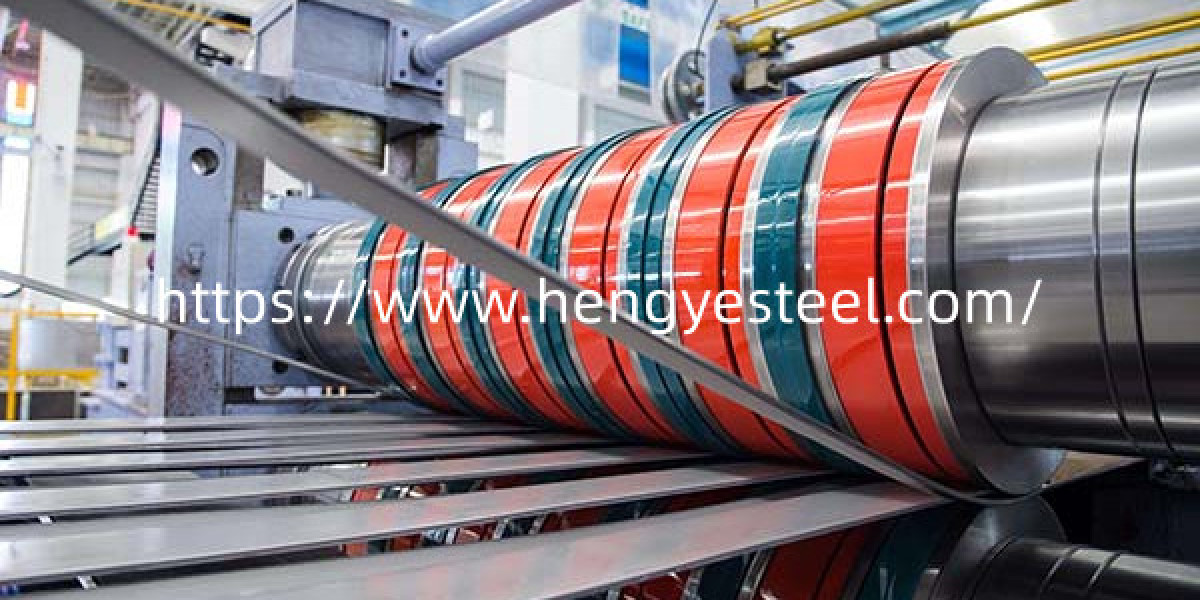

The quality of a manufactured component often depends on the consistency of the material from which it is made. In applications involving formed panels, precision parts, or assembled metal products, the incoming sheet influences how accurately the material can be processed and how the finished component fits its purpose. When evaluating Precision Steel Sheet, manufacturers look at material composition, surface condition, processing behavior, and compatibility with the production route. These considerations connect the raw material with the quality, appearance, and usability of the final product.
Steel sheet is produced from an iron-based material whose composition and processing history influence its characteristics. Carbon and other alloying elements may affect strength, formability, and response to heat treatment. Rolling and finishing operations further shape the material’s surface and behavior. For precision-oriented applications, the consistency of these characteristics is important because downstream operations may depend on predictable material response. Buyers should understand the type of steel being offered and how its manufacturing route relates to the intended application, rather than treating all sheet products as equivalent.
Selecting a suitable material begins with a clear description of the component and its production needs. Buyers should consider the part’s shape, the forming operations involved, and whether the steel will undergo further treatment or finishing. A component with complex bends may require different material behavior from a flat part that is later assembled with other elements. Surface requirements also matter: a sheet intended for a visible product panel may need a different finish from one used inside a machine or hidden assembly. Reviewing samples and discussing production conditions with the supplier can help establish whether the material is appropriate.
Manufacturing technology contributes to the consistency of precision steel sheet. Rolling processes help create the sheet form, while controlled finishing operations influence the surface and material response. Depending on the product, processes such as annealing, leveling, or surface treatment may be incorporated to support the intended use. Each stage can affect how the material behaves during later operations. For example, forming performance is connected not only to the steel composition but also to the way the material has been processed. Coordinated production and inspection help ensure that the sheet is suited to the customer’s manufacturing sequence.
Functional performance should be evaluated in the context of the finished component. The steel may need to withstand repeated handling, maintain its shape after forming, or provide a suitable base for coating and assembly. In precision manufacturing, consistency can help reduce production adjustments and improve the fit between connected parts. Buyers should also consider the operating environment of the finished product, including exposure to moisture, friction, or other conditions that may influence material selection. Evaluating the sheet as part of the complete product provides a more meaningful view of its suitability than considering the raw material alone.
The experience of using precision steel sheet is shaped by how it is handled throughout the supply and production process. Appropriate packaging and storage can help protect the surface before the material reaches the production line. Clear identification supports traceability and helps teams organize material for different jobs. During manufacturing, predictable behavior can make feeding, cutting, and forming easier to manage. Communication between the supplier and production team is useful when the application involves specific handling or finishing needs. These practical details influence workflow as much as the material’s technical characteristics.
Appearance and design also play a role in the selection of steel sheet. A clean surface can support a refined finish on visible components, while a suitable base material can help coatings or other treatments appear more consistent. Designers may use steel sheet in housings, panels, furniture elements, and industrial products where the material’s surface contributes to the overall character. The visual result depends on the interaction between the sheet, the finishing process, and the product’s shape. Surface direction, texture, and surrounding materials should be considered together to create a coherent design.
Dongyang Hengye Steel Strip Co., Ltd. specializes in precision cold-rolled steel strip and heat-treated alloy steel strip for industrial applications. Its experience in steel processing offers a useful reference for buyers evaluating material consistency, surface condition, and downstream manufacturing requirements. For projects involving precision steel sheet or related steel materials, buyers can share the component’s purpose, forming process, surface expectations, and production context when discussing suitable options. More information about Dongyang Hengye Steel Strip Co., Ltd. and its products is available at https://www.hengyesteel.com/.