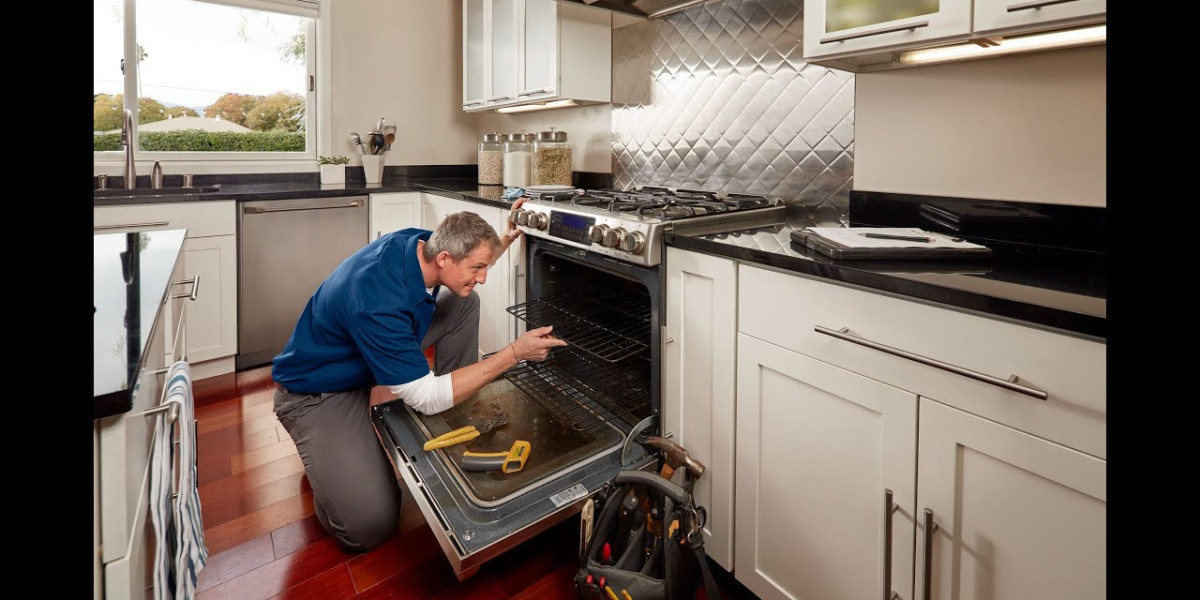

Recognizing the Signs of an Oven Heating Problem
A properly functioning oven makes everyday cooking easier by maintaining steady temperatures and distributing heat throughout the cooking compartment. When heating becomes inconsistent, meals may take longer to prepare, bake unevenly, or remain undercooked. Recognizing these changes early can help prevent additional wear and make it easier to identify when the appliance needs professional attention.
Common Reasons an Oven Stops Heating
An oven may stop producing heat for several reasons, depending on its design and operating system. In Bridgeville homes, Oven Not Heating Repair Bridgeville PA may become necessary when the appliance no longer reaches the selected temperature or stops heating during a cooking cycle. A faulty heating element, damaged electrical connection, malfunctioning thermostat, or control issue can contribute to these symptoms.
Understanding Electric Heating Components
Electric ovens rely on heating elements to produce the temperatures needed for baking, roasting, and other cooking tasks. These components can deteriorate through repeated exposure to high temperatures and regular use. A damaged element may show visible cracks, blistering, or dark spots, although some failures are not obvious. Proper testing helps determine whether the element is responsible for poor heating.
The Importance of Temperature Regulation
The thermostat and temperature sensor help an oven maintain the selected cooking temperature. If either component provides inaccurate readings, the appliance may heat too little, overheat, or cycle on and off unexpectedly. These problems can affect cooking results and may make temperature settings unreliable. A technician can inspect the relevant components and determine whether calibration, repair, or replacement is appropriate.
Electrical Problems That Affect Oven Performance
Electrical faults can also interrupt normal heating operation. Loose wiring, damaged terminals, worn connections, or problems with the power supply may prevent an oven from receiving consistent electricity. Some electrical issues can create additional safety concerns, especially when accompanied by burning odors, unusual sounds, or visible damage. Avoid opening electrical panels or attempting repairs without the proper training and equipment.
How Professional Appliance Troubleshooting Helps
Accurate troubleshooting begins with understanding the symptoms and checking the appliance systematically. A technician may examine the heating system, inspect electrical connections, test temperature controls, and review the oven's operating behavior. This process helps identify the actual cause rather than replacing parts based on assumptions. A careful diagnosis can also reveal related problems that might otherwise affect the appliance again.
Maintaining Other Household Appliances
Ovens are only one part of a home's essential equipment. Refrigerators, dishwashers, washing machines, and dryers also require attention when their performance changes. Reliable Residential Appliance Repair Bridgeville PA can help homeowners address different appliance concerns while reducing the disruption caused by unexpected breakdowns. Timely service may also prevent minor component problems from developing into more complicated repairs.
Why Delaying Repairs Can Create More Problems
Continuing to use an oven that does not heat correctly may lead to inconsistent meals and unnecessary frustration. In some situations, an underlying electrical or control issue can place additional strain on other components. Ignoring unusual behavior may also make the original problem harder to diagnose. Scheduling an inspection when symptoms first appear can help limit further damage and restore dependable operation.
Safe Steps Homeowners Can Take
Before arranging service, homeowners can check a few basic details without opening the appliance. Confirm that the oven is receiving power, review the selected cooking mode, and make sure the timer or delay-start setting has not been activated accidentally. If the appliance displays an error code, recording it may help with diagnosis. Do not touch exposed wiring or attempt internal electrical testing.
Keeping the Oven Clean and Well Maintained
Regular cleaning supports better oven performance by preventing grease, food residue, and debris from collecting around important areas. Heavy buildup can create smoke and unpleasant odors during cooking, while blocked vents may interfere with proper airflow. Follow the manufacturer's cleaning instructions and avoid using harsh products on sensitive surfaces. Allow the appliance to cool completely before performing routine cleaning.
Choosing the Right Repair Approach
The correct repair depends on the oven's age, condition, design, and the nature of the failure. Some problems involve a single replaceable component, while others may require more extensive electrical or control-system work. A professional assessment helps homeowners understand the available options and make informed decisions. Comparing repair needs with the appliance's overall condition can also help determine whether continued maintenance is practical.
Recognizing When Professional Service Is Needed
Persistent heating problems, repeated shutdowns, unusual electrical behavior, and inconsistent temperatures are signs that an oven should be inspected. Gas ovens require particular care because their ignition and fuel systems involve additional safety considerations. If a gas odor is present, leave the area, avoid operating electrical switches, and contact the appropriate emergency or gas service provider from a safe location.
Supporting Long-Term Appliance Reliability
Consistent maintenance and timely repairs can help household appliances remain dependable for longer. Homeowners should pay attention to changes in performance, follow recommended operating instructions, and avoid overloading appliances or using them in ways they were not designed for. When an oven begins showing signs of trouble, a qualified inspection can identify the cause and help restore safe, reliable cooking performance.